The Hidden Price of John Deere's 'Democratization' of Precision Ag Tech
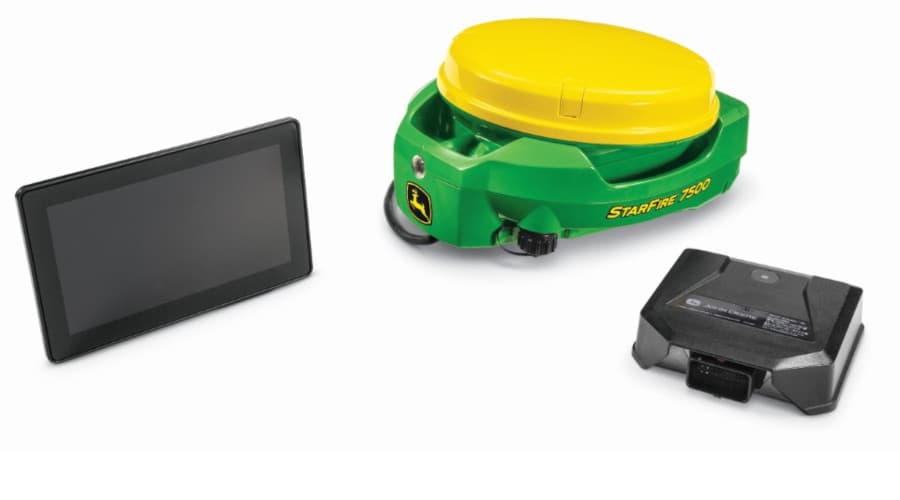
John Deere's push for wider access to precision ag technology masks a deeper battle for data control and farmer autonomy.
Key Takeaways
- •John Deere's expansion of accessible precision tech is a data acquisition strategy.
- •The primary risk for farmers is increased data lock-in and loss of autonomy.
- •Future profitability hinges on the monetization of aggregated farm performance data.
- •This move accelerates the consolidation of power within the AgTech sector.
The press releases sing praises of expanded access, better user interfaces, and the democratization of precision agriculture technology. John Deere, the titan of the farm implement world, is rolling out new, seemingly more accessible G5e displays and software tiers. On the surface, this looks like a win for the average farmer grappling with rising input costs and the need for efficiency. But peel back the glossy marketing, and you find the real story: a calculated, strategic maneuver in the ongoing war for farm data sovereignty.
The Unspoken Truth: Data as the New Oil
Why the sudden focus on accessibility? Because the future profitability of farming isn't just in selling bushels; it's in selling insights derived from operational data. When Deere makes its sophisticated agricultural technology easier to adopt, they aren't just selling tractors; they are expanding their network of sensors, telemetry, and, most critically, the data streams flowing back to Moline, Illinois. The unspoken truth is that lower barriers to entry mean more farms feeding Deere’s massive data lake. This centralization of operational intelligence is the real product.
Who loses? The independent software developers, the smaller machinery makers, and frankly, the farmer who values true operational independence. While Deere claims to be empowering farmers, they are simultaneously solidifying a proprietary ecosystem. Farmers gain better yield maps, yes, but they trade autonomy for convenience. This move directly challenges the burgeoning 'Right to Repair' movement, ensuring that the most valuable data—the performance metrics of the machine itself—remains tethered to the manufacturer.

Deep Analysis: The Economics of Lock-In
This isn't just about software updates; it’s about long-term economic lock-in. By integrating the technology more deeply, Deere ensures that switching costs become astronomical. If 80% of your operational data—soil composition, historical seeding rates, variable rate application zones—lives within the John Deere ecosystem, moving to a competitor becomes functionally equivalent to starting your data collection from scratch. This forced dependency dictates future equipment purchases and service contracts. It's a classic strategy seen in every major tech sector: make the product indispensable by making the data ecosystem sticky.
The competitive landscape is shifting. While rivals like CNH Industrial are also pushing digital solutions, Deere’s sheer market penetration gives them an inherent advantage in aggregating unparalleled volumes of farming data. This scale allows for superior predictive modeling, which, when commercialized, could offer services that smaller, independent operations simply cannot match. For more on the broader implications of agricultural technology consolidation, see reports from the Reuters business section.
What Happens Next? The Prediction
The next logical step for John Deere, having secured the data pipeline, will be the aggressive monetization of aggregated, anonymized (or semi-anonymized) farm data through third-party partnerships. Expect to see Deere offering specialized, premium analytics packages that leverage collective regional performance data to advise on everything from commodity hedging to future seed purchases. Farmers will essentially be paying a subscription fee for intelligence derived from their own operational footprint. Furthermore, expect increased regulatory scrutiny, particularly from the EU and potentially US bodies, regarding data ownership standards for farm equipment. The fight over farm technology is just heating up.
Key Takeaways (TL;DR)
- Deere’s 'accessibility' push is primarily a strategy to expand their data collection footprint.
- The real product being sold is centralized operational intelligence, not just hardware.
- Farmers risk increasing lock-in, making switching providers prohibitively expensive.
- Expect future revenue streams to heavily feature premium data analytics services.
Frequently Asked Questions
What is John Deere's G5e Display?
The G5e is a newer, lower-cost display interface designed by John Deere to make their precision agriculture features more accessible to a broader range of farmers, simplifying the user experience.
What is the 'Right to Repair' movement in agriculture?
The Right to Repair movement advocates for legislation that mandates manufacturers, like John Deere, provide farmers and independent shops with the necessary diagnostic tools, software, and parts to repair their own modern, complex machinery.
How does farm data benefit manufacturers?
Manufacturers benefit by aggregating vast amounts of operational data (yields, soil conditions, machine performance) to improve their own product development, offer premium consulting services, and create proprietary, hard-to-leave ecosystems.
Is this technology exclusive to John Deere?
No, major competitors like CNH Industrial (Case IH, New Holland) are also heavily invested in precision ag, but John Deere maintains a commanding market share, giving their data aggregation efforts significant scale.
Related News

The Hidden Cost of Coca-Cola's 'Accelerated Process': Why This Tech Breakthrough Is a Supply Chain Nightmare
Coca-Cola's new 'accelerated process' tech isn't just about speed; it reveals a desperate race against dwindling resources and market control.

The Certification Black Box: Why CEOs Are Suddenly Terrified of Aviation's Slow Tech Revolution
The real crisis isn't safety; it's the regulatory bottleneck strangling next-gen aircraft technology. Unpacking the unspoken truth.

The Silent War: Why 2026's 'Green' Airliners Are Actually a Massive Power Grab
Forget the emissions hype. The 2026 airliner technology race is a brutal battle for aerospace dominance, revealing who truly controls the future of global travel.

DailyWorld Editorial
AI-Assisted, Human-Reviewed
Reviewed By
DailyWorld Editorial