The Hidden Cost of 'World-Class': Why York Science Park's Tech Win Isn't Just Good News
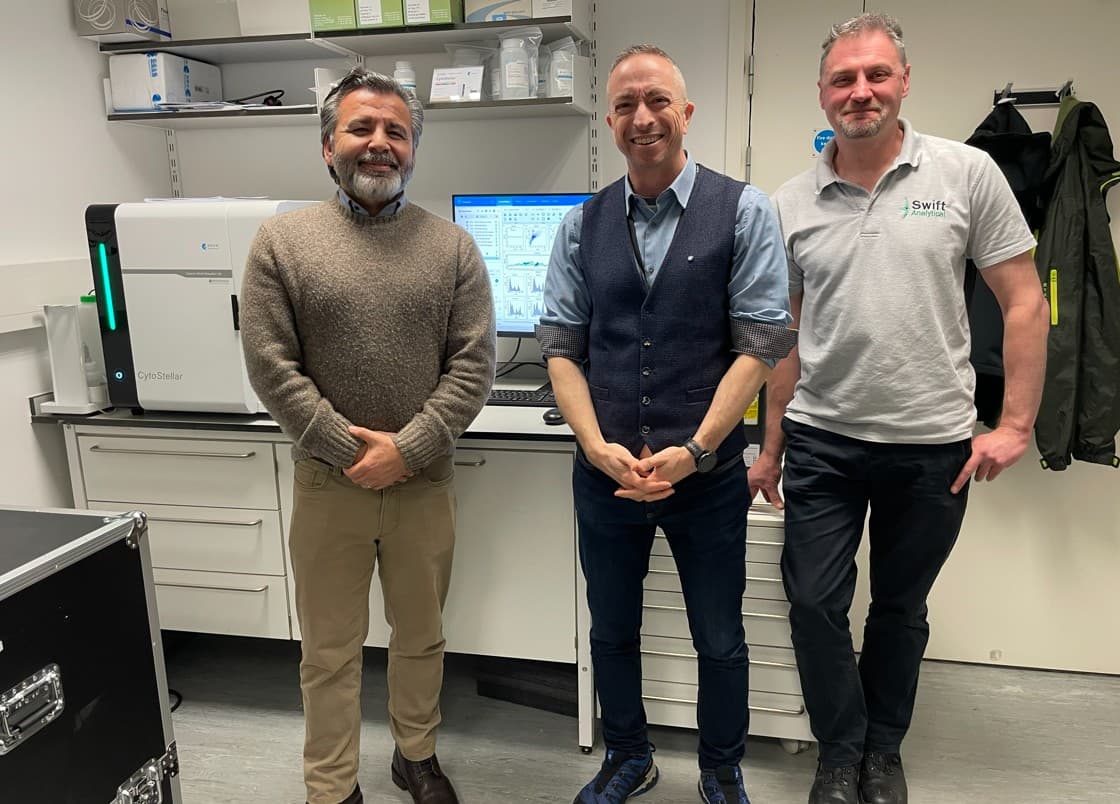
Is York's new technology validation just local boosterism, or a sign of a deeper shift in the UK's innovation landscape? We analyze the real winners.
Key Takeaways
- •The 'world-class' validation is primarily a tool for attracting capital, not necessarily proof of immediate, scalable commercial success.
- •York's success highlights the ongoing decentralization trend, aiming to break the dominance of the London-Oxford-Cambridge innovation corridor.
- •The true test lies in sustained private investment and graduate retention, areas where regional hubs often lag.
- •Expect increased real estate pressure and competition for talent in the York region over the next two years.
The Unspoken Truth: When Local Success Masks a National Crisis
The news is a predictable puff piece: York Science Park has been validated as 'world-class' thanks to some 'revolutionary new technology.' On the surface, this is a win for regional development and UK technology innovation. But let’s peel back the glossy PR. Who truly benefits when a localized hub gains validation? Usually, it’s the investors, the local council seeking bragging rights, and the established institutions, not the scrappy startups fighting for survival in the shadow of Cambridge and Oxford. This narrative of localized success often serves to mask the systemic underfunding of the broader UK tech ecosystem.

The real story isn't the technology itself—which remains vaguely defined in the reports—but the mechanism of validation. These accolades are essential currency in the global race for talent and venture capital. York is signaling, loudly, that it is open for business. But is this revolutionary technology creating genuine, scalable economic impact, or is it simply a highly polished asset designed to attract anchor tenants away from competitors?
Deep Dive: The Geography of Innovation and Capital Flight
We must analyze this through the lens of economic geography. For decades, the gravitational pull of the 'Golden Triangle' (London, Oxford, Cambridge) has vacuumed up the lion's share of UK venture capital. York’s achievement attempts to decentralize this power. This is significant because concentration breeds fragility. If all your high-value technology assets are in one postcode, a localized economic shock or regulatory change can be catastrophic. York offers diversification. However, the true measure of 'world-class' status isn't a plaque on a wall; it’s the sustained ability to commercialize R&D without constant public subsidy. We need transparency on the private investment flowing in versus the public money spent propping up the infrastructure.
The contrarian view suggests that this focus on accreditation distracts from the harder work: creating robust supply chains and retaining highly skilled graduates who often migrate south for higher salaries and more established exit routes. (See analysis on UK regional disparities from the Reuters Institute for the Study of Journalism regarding regional economic divergence).
What Happens Next? The Prediction
The immediate future will see a predictable surge in applications to the Science Park and increased lobbying for regional infrastructure grants. My prediction is this: Within 36 months, the 'revolutionary technology' that secured this status will either be acquired by a London-based firm for a modest sum, or it will fail to scale beyond the academic pilot phase. The real, lasting impact will be the secondary effect: York will become a significantly more competitive market for mid-tier software and life sciences companies fleeing the punitive real estate costs of the South East. This isn't a revolution; it's a strategic land grab for established, less volatile businesses seeking stability.
The underlying tension remains: Can regional hubs truly compete without fundamentally altering the national distribution of early-stage seed funding? The answer, historically, is no. Until that changes, these 'world-class' validations feel more like expensive marketing campaigns than fundamental shifts in power. For more on the challenges of UK scale-ups, review data from the Office for National Statistics on business survival rates.
Frequently Asked Questions
What is the primary benefit of a Science Park achieving 'world-class' status?
The primary benefit is enhanced credibility, which acts as a magnet for international investment, top-tier talent recruitment, and securing government grants or partnerships.
How does this validation impact the broader UK technology landscape?
It contributes to the narrative of regional balancing, suggesting that high-value R&D is no longer exclusively centered in the South East, though capital concentration remains a significant hurdle.
Who are the potential losers when a regional hub gains high-profile recognition?
Competitor regional hubs might lose out on potential anchor tenants and investment flows attracted by York's new status, intensifying the local competition for resources.
What is the difference between R&D validation and commercial success?
Validation confirms technological novelty and quality, often based on academic metrics. Commercial success requires market adoption, profitability, and scalable business models, which are much harder to achieve.
Related News

The Packaging Lie: Why Your 'Smart' Food Container Won't Stop the Next Global Recall
The push for advanced food packaging technology is distracting from the real supply chain weak points. Is this innovation or deflection?

The Hidden Cost of Croom Medical's $100M Bet: Is Ireland Outsourcing Its Future?
The Croom Medical ACOT expansion signals massive medical device manufacturing growth, but what does this mean for Irish tech talent migration?

The Silent Coup: Why Tech Policy Meetings Are a Sham and Who Actually Owns the Future
Forget diversity reports. The real fight over technology policy isn't about representation; it's about regulatory capture and who profits.

DailyWorld Editorial
AI-Assisted, Human-Reviewed
Reviewed By
DailyWorld Editorial