The Hidden Cost of Super Bowl 'Caring': Why Your Health Insurance Just Got More Expensive
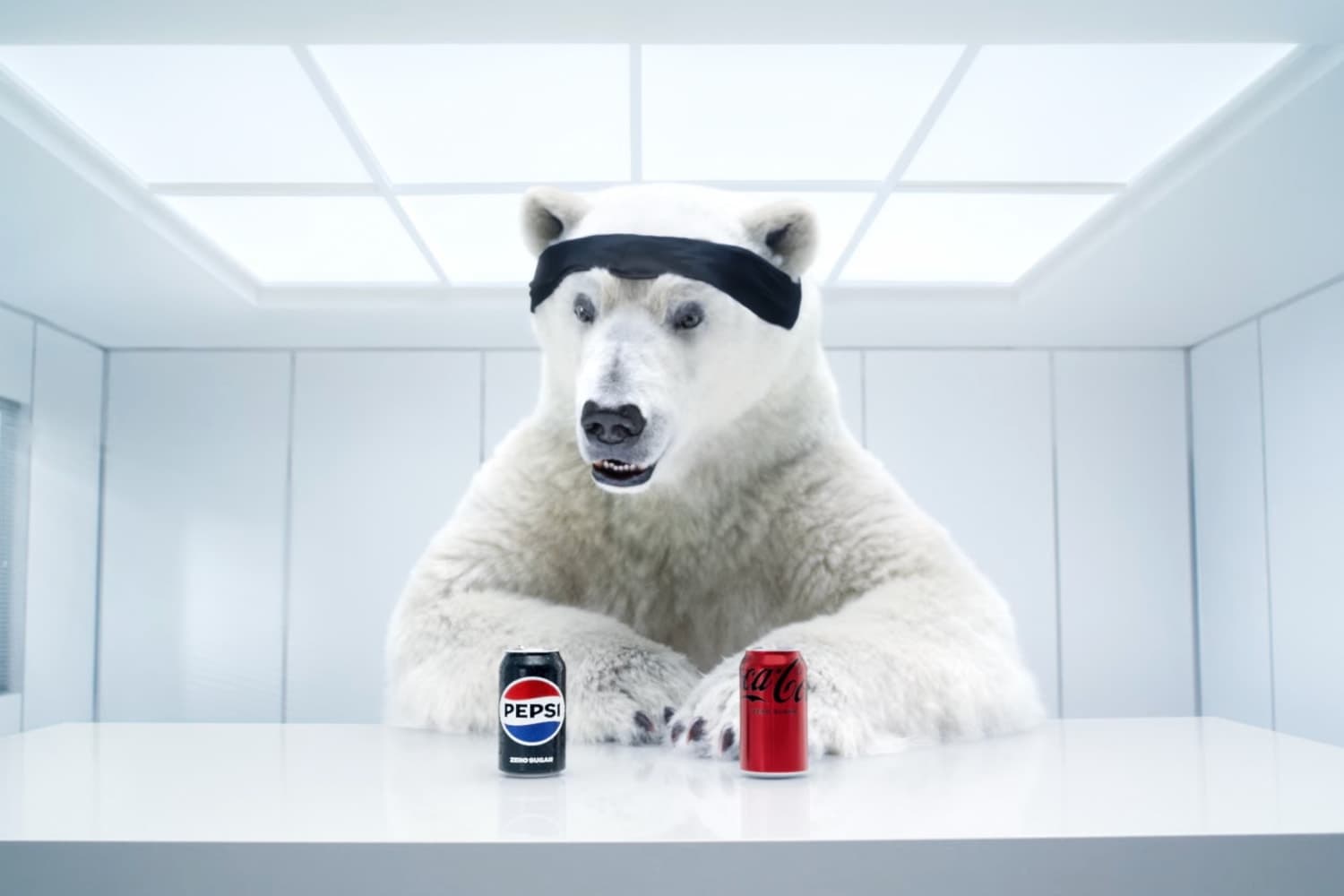
Forget the laughs. The real story of Super Bowl advertising is the calculated pivot to 'health' and wellness, revealing a deeper marketing strategy.
Key Takeaways
- •The 2024 Super Bowl ads signaled a major corporate pivot from aspiration to anxiety management, focusing heavily on 'health' and 'caring'.
- •This 'Healthwashing' is a calculated marketing strategy to embed proactive health spending narratives before consumers confront rising actual medical costs.
- •The real winners are corporations establishing emotional shields against criticism, not the public seeking genuine health solutions.
- •Prediction: Expect an immediate surge in high-margin, subscription-based DTC 'wellness bundles' capitalizing on post-game sentiment.
The Great American Healthwashing of Super Bowl LVIII
The confetti has settled, the touchdowns are history, but the real game—the one played in the minds of 100 million viewers—is just beginning. This year’s Super Bowl advertising slate was drenched in what can only be called Healthwashing. Amidst economic anxiety, brands didn't just sell soda; they sold reassurance. They peddled narratives of 'caring,' 'wellness,' and 'family health.' But beneath the veneer of feel-good commercials, a sharp, cynical calculation is at play. The unspoken truth? This isn't altruism; it’s strategic market recalibration during a period of peak consumer vulnerability.
We saw pharmaceutical giants subtly normalizing their presence, insurance companies waxing poetic about preventative care, and snack brands suddenly emphasizing 'better-for-you' ingredients. This isn't about a sudden societal awakening. It’s about the **health economy**—a trillion-dollar sector desperate to capture discretionary spending before consumers realize their actual medical bills are spiraling out of control. The goal of these slick, high-production-value spots is to embed the concept of *proactive* health spending into the American psyche, priming wallets for the next round of premium hikes.
The Cynical Pivot: From Aspiration to Anxiety Management
For decades, Super Bowl ads were about aspiration: fast cars, cold beer, aspirational lifestyles. This year, the mood shifted to anxiety management. Why? Because the baseline consumer confidence is brittle. People aren't dreaming of a new Corvette; they are worried about affording their next prescription refill or navigating complex health plans. The advertisers are experts at tapping into this cultural dread. By focusing on 'caring' and 'health,' they are attempting to soothe the very anxieties that their industries often exacerbate. It’s a masterclass in deflection. While you’re tearing up over a commercial about a grandparent getting a new fitness tracker, the underlying cost of **healthcare spending** continues its relentless climb.
Who truly wins? Not the viewer. The winners are the corporations that successfully inoculated themselves against cynicism by wrapping their products in a protective layer of manufactured empathy. They spend $7 million for 30 seconds to change the narrative, diverting attention from the structural failures plaguing the US medical system. This strategic use of the Super Bowl stage solidifies the dominance of the **health and wellness industry** over genuine public health initiatives.
Where Do We Go From Here? Prediction: The Rise of 'Ad-Hoc' Health Subscriptions
The immediate aftermath of this trend won't be better public health; it will be the aggressive monetization of the emotional connection forged during the game. Expect a massive influx of direct-to-consumer (DTC) health startups and established players launching ultra-specific, subscription-based 'wellness bundles' marketed directly to the demographic segments targeted by those ads. These won't be comprehensive solutions; they will be high-margin, low-overhead digital products—think $19.99/month 'Sleep Optimization Kits' or 'Stress Reduction Apps'—that piggyback on the goodwill generated by the $7 million spots. Consumers, feeling emotionally invested and slightly guilty about their lifestyle choices, will sign up en masse. This shift accelerates the privatization and fragmentation of personal health management, making truly holistic care even harder to attain.
The Super Bowl didn't just sell products; it sold a necessary illusion of control in an increasingly chaotic world. That illusion is the most expensive commodity of all.
Frequently Asked Questions
What is 'Healthwashing' in the context of advertising?
Healthwashing is the practice where companies, often in industries facing public scrutiny over health impacts or high costs, strategically use advertising focusing heavily on wellness, preventative care, or empathy to divert attention from underlying systemic issues or negative product effects.
Why did advertisers focus so heavily on 'health' this year?
Economic uncertainty and rising inflation have made consumers highly anxious about personal finances, particularly healthcare costs. Advertisers pivoted to offering emotional reassurance and a sense of control through wellness narratives, which is easier to sell than expensive tangible goods right now.
How does this impact the average consumer's healthcare costs?
While the ads promote preventative care, the underlying trend they distract from is the continued, often rapid, increase in actual medical and insurance costs. The focus shifts consumer dollars toward profitable, yet potentially fragmented, direct-to-consumer wellness products rather than systemic solutions.
What is the long-term prediction for Super Bowl advertising themes?
The trend suggests a move toward hyper-personalized, subscription-based service advertising, leveraging AI and emotional targeting established by this year's health focus, making ads even more invasive and psychologically driven in the future.
