The Hidden Cost of 'Science & Spirits': Why Your Local Museum Needs Booze to Survive
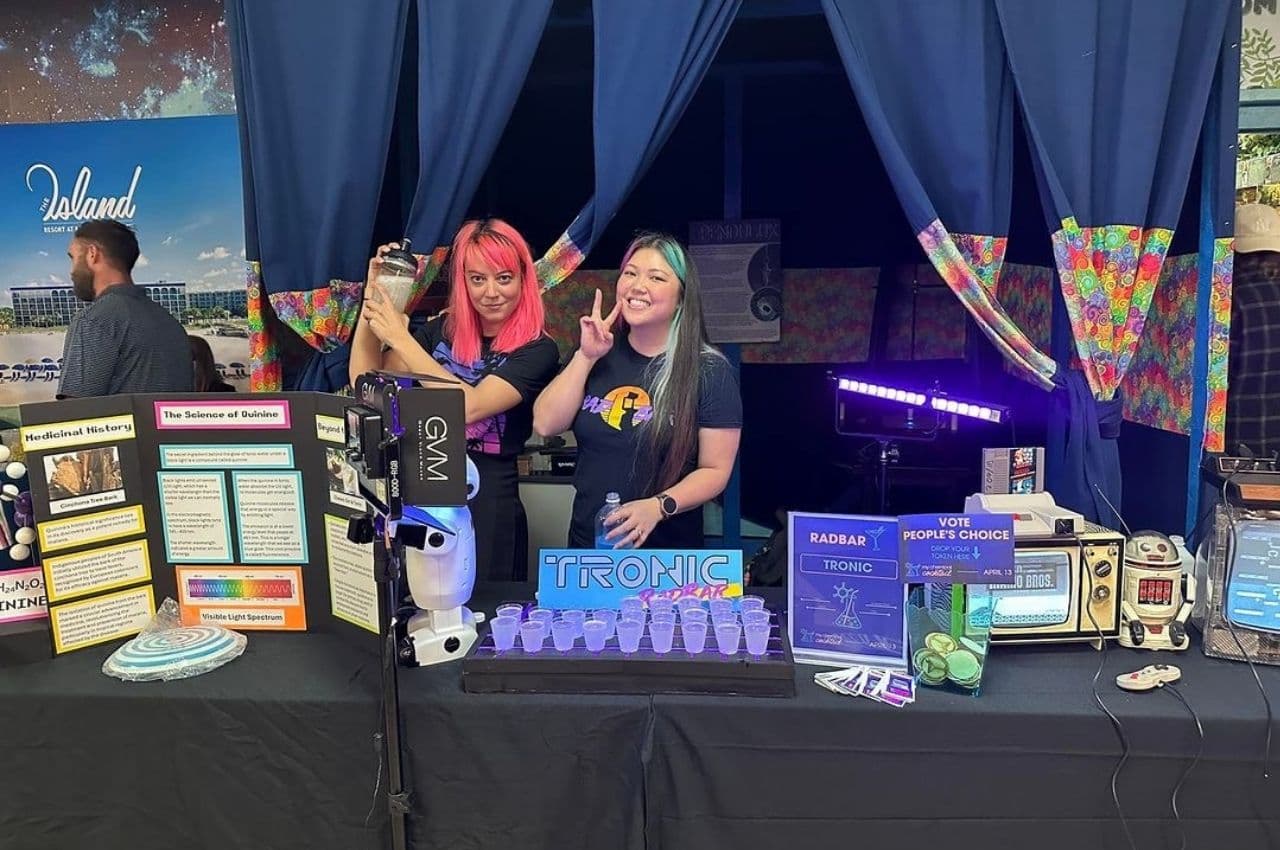
The Emerald Coast Science Center fundraiser isn't just fun; it's a stark indicator of critical funding gaps in local **science education**.
Key Takeaways
- •The reliance on alcohol-centric fundraisers signals deep systemic underfunding for local science centers.
- •Forcing science centers to operate like event venues dilutes their core educational mission.
- •The future likely involves higher admission costs or constant fundraising dependency, reducing public access.
- •True support requires lobbying for stable municipal or corporate funding, not just social event attendance.
The Cocktail Cure: When Civic Duty Tastes Like Gin and Tonic
Another weekend, another local non-profit trading intellectual rigor for alcoholic allure. The Emerald Coast Science Center's upcoming fundraiser, blending **science** demonstrations with spirits, is being framed as a charming local event. But peel back the veneer of Fort Walton Beach sophistication, and you see something far more telling: the quiet, desperate pivot required for local **STEM** institutions to survive in the modern funding desert. This isn't about mixing martinis; it’s about a systemic failure in valuing public **science** literacy.
The unspoken truth here is the utter inadequacy of traditional donation models and government allocations for keeping specialized educational centers afloat. When a science center—the very engine room for inspiring the next generation of engineers and researchers—has to rely on happy hour ticket sales, it signals a profound disconnect between public rhetoric about innovation and actual financial commitment. Who truly wins? The attendees get a fun night out and a tax write-off. The center gets a temporary cash injection. But the real loser is the long-term sustainability of accessible, high-quality science programming.
The Deep Dive: Why This Fundraiser is a Warning Flare
We laud science as the bedrock of progress, yet we treat the institutions that teach it like boutique art galleries needing a splashy opening night. This trend—the 'edutainment' pivot—is happening nationwide. Museums, aquariums, and science hubs are being forced to become event spaces, competing with bars and wedding venues for corporate dollars. This fundamentally alters their mission. Are they prioritizing groundbreaking exhibits or events that attract high-spending, cocktail-sipping demographics?
The analysis shows that local funding structures, heavily reliant on property taxes or sporadic state grants, simply cannot keep pace with operational costs, especially for facilities requiring specialized equipment maintenance and expert staffing. Consider the national context: while massive endowments fund elite university research, the crucial K-12 pipeline—the pipeline that feeds those universities—is often running on fumes, supplemented by ticket sales to adults drinking Chardonnay. This isn't just Floridian; it's a national crisis in foundational STEM education funding. For more on the broader challenges facing non-profits, see the analysis from the [Chronicle of Philanthropy](https://www.philanthropy.com/).
What Happens Next? The Prediction
If the current trajectory holds, expect two major shifts within the next five years in regions like the Emerald Coast. Prediction One: The 'Spirits' aspect will become mandatory, not optional. Fundraisers will evolve into full-fledged, ticketed 'Science Bars' operating weekly, effectively becoming revenue-generating secondary businesses rather than one-off events. Prediction Two: Admission prices will skyrocket. To compensate for the unreliable nature of social fundraising, entry fees will climb beyond the reach of average working families, further eroding the center’s primary public service mission. The accessible neighborhood science center will become a luxury experience, contradicting its very purpose. This dynamic mirrors broader economic stratification discussed in reports like those from the [Pew Research Center](https://www.pewresearch.org/) regarding access to cultural amenities.
The Contrarian Take
The organizers believe this event builds community. I argue it highlights community failure. A truly supportive community invests robustly enough that its science center doesn't need to market artisanal liquor to pay the electric bill. The focus should be on lobbying for dedicated municipal bonds or corporate partnerships that understand the ROI of a scientifically literate populace, not just a good night out. Until then, the best way to support science remains demanding better governance, not just better cocktails. For context on how public funding for science has historically waxed and waned, consult [The National Science Foundation archives](https://www.nsf.gov/).

Frequently Asked Questions
What is the primary challenge facing local science centers today?
The primary challenge is securing reliable, non-event-based operational funding. Traditional donation models and municipal budgets often fail to cover high maintenance and staffing costs, forcing centers into 'edutainment' revenue streams.
Why is mixing 'science' and 'spirits' considered problematic by critics?
Critics argue it prioritizes immediate revenue generation and social appeal over educational rigor, potentially alienating lower-income families and signaling that foundational science funding is optional.
What is the predicted long-term impact of this funding trend?
The prediction is that science centers will either become luxury attractions with high ticket prices or they will need to permanently adopt revenue-generating models like weekly bars, fundamentally changing their role in public education.
What is STEM education and why is it important?
STEM education focuses on Science, Technology, Engineering, and Mathematics. It is crucial because it develops critical thinking and problem-solving skills necessary for innovation and economic competitiveness.
Related News

The Judicial Bomb: Why Teaching Kids About Corruption Is NCERT's Most Dangerous (and Necessary) Power Play
The NCERT syllabus revision exposing students to 'corruption in the judiciary' is more than education; it's a calculated political move.

The Silent Coup: How US Aid Cuts Are Weaponizing Global Science and Who Really Benefits
The reported cuts to US science aid aren't just budget trimming; they are a geopolitical strategy eroding global scientific literacy and trust.

The Invisible Cartel: Who Really Profits From 'Global Health' Aid?
Forget the headlines. The real story in global health isn't charity; it’s the opaque supply chains and the political leverage wielded by logistics giants.

DailyWorld Editorial
AI-Assisted, Human-Reviewed
Reviewed By
DailyWorld Editorial