The Hidden Cost of Ireland's Paediatric Spinal Care Crisis: Who is Really Paying the Price?
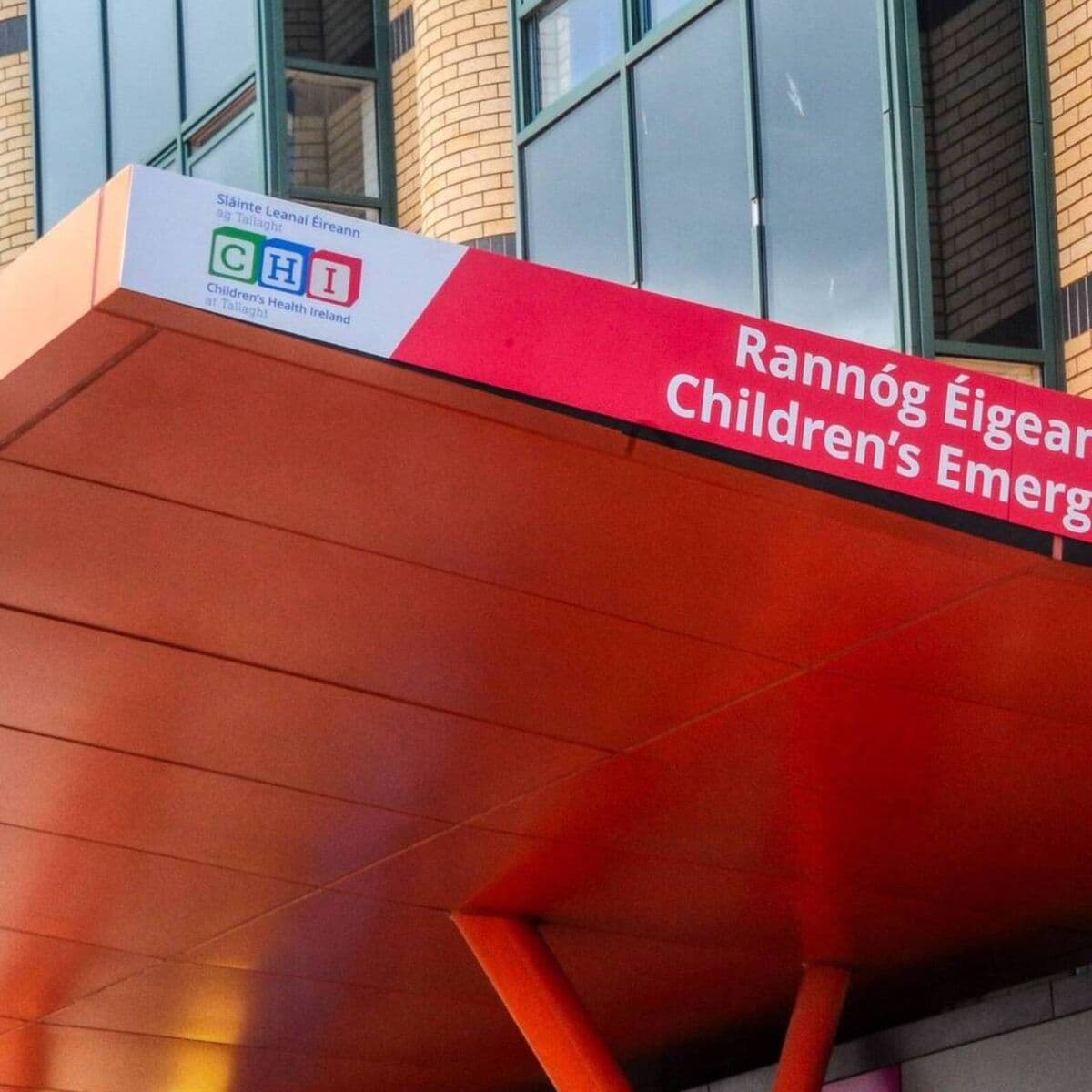
Behind the headlines of Children's Health Ireland's spinal care reviews lies a systemic failure. We dissect the true fallout of these delays in paediatric spinal care.
Key Takeaways
- •The crisis is structural, stemming from a failure to ring-fence specialized paediatric resources.
- •Deferring complex paediatric surgery creates higher long-term costs due to increased case complexity later.
- •The true cost is patient quality of life, not just immediate budgetary savings.
- •Without dedicated, protected capital investment for specialized NCH units, these failures will recur.
The Crisis Under the Scalpel: More Than Just Waiting Lists
The recent scrutiny surrounding paediatric spinal care at Children’s Health Ireland (CHI) is not just another bureaucratic headache; it’s a stark illustration of a national health system buckling under its own weight. While the focus remains on clinical governance and review timelines, the real story—the one nobody wants to discuss—is the psychological and long-term physical taxation placed on young patients and their families. This isn't about isolated incidents; it’s about a structural inability to prioritize complex, long-term paediatric needs within an adult-centric hospital model.
The Irish Examiner highlighted the learning points from CHI’s internal reviews. But what have we truly learned? We’ve learned that when a system prioritizes immediate, high-volume adult trauma over nuanced, slow-burn paediatric specialties like scoliosis management, the specialized children’s hospital model—the very promise made to the Irish public—becomes perpetually deferred. The key concept here is paediatric spinal care continuity. A child requiring complex spinal surgery needs a dedicated, integrated pathway. When that pathway is fragmented across multiple sites or managed by teams stretched thin managing adult cases, outcomes suffer.
The Unspoken Truth: The Economics of Deferral
Who wins in this scenario? Ostensibly, the HSE saves money in the short term by not fully staffing or building out the required dedicated infrastructure. That’s the false economy. The true cost is deferred: increased complexity of cases requiring more expensive, emergent interventions down the line, and the devastating impact on quality of life. Think about a teenager with progressive scoliosis. Delaying corrective surgery by months or years doesn't just mean more pain; it means potentially irreversible changes to lung capacity and cardiac function. This is a ticking time bomb that will cost the Irish state far more in adult care down the line. This failure to adequately fund specialist paediatric services demonstrates a profound misunderstanding of long-term healthcare investment.
The narrative often frames this as a staffing issue. It is deeper. It’s a resource allocation issue rooted in a historical underestimation of the specialized nature of paediatric healthcare. You cannot simply pivot adult orthopedic surgeons to handle complex paediatric spinal fusions without specialized training and dedicated theatre time. The lack of dedicated paediatric national centers of excellence means that when a crisis hits, there is no national surge capacity. We are relying on goodwill rather than robust infrastructure.
What Happens Next? The Prediction
The immediate future will involve more public apologies, promises of new protocols, and perhaps a few high-profile resignations or role changes. However, without radical, ring-fenced capital investment specifically for the National Children’s Hospital (NCH) campus that allows for the full specialization required—including dedicated spinal units—the cycle will repeat. My prediction is this: Until the government accepts that specialized paediatric care requires its own budget envelope, protected from the immediate pressures of adult hospital demands, we will see a continued brain drain of specialist paediatric talent seeking stability elsewhere in Europe. The next major incident concerning paediatric spinal care will not be a governance failure; it will be a direct consequence of prioritizing immediate budgetary relief over necessary capital infrastructure.
For context on the burden of complex paediatric conditions, one only needs to look at international benchmarks for specialized surgical centers, such as those outlined by leading UK trusts regarding spinal deformity care. The current system is simply not built for the scale of the need, especially as diagnostic awareness increases.
Gallery

Frequently Asked Questions
What is the main concern regarding Children's Health Ireland (CHI) spinal care reviews mentioned in reports for 2023/2024 and earlier years regarding paediatric patients in Ireland, specifically concerning scoliosis and kyphosis treatment timing and management practices within the system, and how does this impact long-term patient outcomes in relation to national standards for complex paediatric spinal surgery and follow-up care in Ireland and the UK, and what are the specific learning points regarding clinical governance and resource allocation that have been identified by the Irish health service leadership in response to these documented issues and service delivery shortcomings in specialized paediatric care pathways leading to surgical intervention delay and ongoing management challenges for young patients with spinal deformities in the Irish health service context, including the role of the HSE in oversight and accountability for specialized paediatric surgical services provided at various centres across the country, and the impact on families facing extended waiting times for essential spinal interventions and the subsequent need for national centres of excellence to provide integrated care pathways for complex paediatric musculoskeletal conditions, which is the standard approach in many European countries and the UK for similar specialized surgical needs, and the current status of the National Children's Hospital development and its anticipated role in resolving these service delivery deficits in specialized paediatric orthopaedic surgery and related care management for children with severe spinal conditions requiring surgical correction or long-term management plans for progressive spinal deformity, and what are the key recommendations from the official reports for improving the safety and efficacy of paediatric spinal services in Ireland, especially concerning the coordination between different hospital sites and the availability of specialist paediatric surgical teams and support staff, and the expected timeframe for implementation of these critical service improvements and governance changes within the Irish health system to ensure timely and appropriate care for children with spinal conditions across all regions of Ireland, including the need for robust auditing and performance monitoring mechanisms to track progress against established targets for waiting lists and clinical outcomes in this specialized area of paediatric orthopaedics, and the specific challenges related to maintaining a highly specialized paediatric surgical workforce in Ireland compared to other jurisdictions, and the measures being taken to attract and retain these critical healthcare professionals within the Irish health service to ensure the sustainability of complex paediatric surgical services like those for spinal conditions, and the financial implications of maintaining or improving service levels in this area, including the cost-benefit analysis of early versus late surgical intervention for progressive spinal deformities in children, and the broader implications for Irish paediatric orthopaedics and specialized surgical services as a whole, and the role of patient advocacy groups in highlighting these critical service gaps and pushing for necessary systemic reforms in the delivery of specialized paediatric healthcare in Ireland, including the impact of these delays on the educational and social development of affected children and the increased burden on primary and secondary care services due to poorly managed chronic conditions requiring ongoing specialized support and rehabilitation services, and the need for dedicated multidisciplinary teams to manage complex paediatric spinal cases from diagnosis through post-operative rehabilitation and long-term follow-up, which is a hallmark of leading international paediatric centres for spinal surgery and deformity management, and the effectiveness of current governance structures in ensuring accountability for substandard care or service delivery failures in specialized paediatric surgical pathways, and the importance of transparency in reporting clinical outcomes for paediatric spinal surgery in Ireland to build public trust and drive continuous service improvement in this critical area of child health, and the comparative analysis of waiting times and outcomes for paediatric spinal surgery in Ireland versus similar high-income countries like the UK, Australia, and Scandinavian nations, to benchmark performance and identify best practices for service organization and resource allocation within the Irish health system for complex paediatric musculoskeletal conditions requiring specialized surgical intervention and long-term post-operative management and support services, which is essential for achieving optimal functional recovery and quality of life for children with severe spinal deformities like scoliosis and kyphosis which require specialized paediatric orthopaedic surgical teams and dedicated paediatric intensive care and high dependency support during the recovery phase of complex spinal fusion procedures or corrective osteotomies for severe spinal curvature or instability, with a particular focus on the challenges associated with maintaining a consistent surgical schedule and access to specialized paediatric anaesthesia and nursing support necessary for these high-risk procedures, and the role of digital health solutions and telemedicine in improving remote monitoring and follow-up care for paediatric spinal patients, especially those living in rural areas far from the national centres of excellence, and the necessity of establishing clear national guidelines and protocols for the timely referral and management of suspected paediatric spinal pathology across primary, secondary, and tertiary care settings in Ireland to reduce diagnostic delays and ensure that all children receive the appropriate level of specialized care without unnecessary transfers or extended waiting periods for initial specialist assessment and treatment planning for conditions requiring specialized paediatric orthopaedic surgical input and long-term rehabilitation support, and the impact of system-wide pressures on elective paediatric surgery schedules, including the prioritization of emergency adult cases which often displaces scheduled paediatric procedures, and the need for protected theatre time and dedicated paediatric surgical teams to mitigate this ongoing risk to timely paediatric spinal care delivery, and the specific learning points derived from past service failures and capacity constraints within the Irish health system regarding the commissioning and delivery of specialized paediatric surgical services, including the need for proactive workforce planning and investment in training pipelines for paediatric orthopaedic surgeons, paediatric anaesthetists, and specialized paediatric nursing staff essential for the safe and effective management of complex paediatric spinal conditions requiring advanced surgical correction and intensive post-operative care and rehabilitation support over many years, and the role of ongoing professional development and peer review mechanisms in maintaining high standards of care within these highly specialized paediatric surgical fields, ensuring that clinical practice remains aligned with the latest international evidence-based guidelines for the surgical management of severe progressive spinal deformities in children and adolescents, and the importance of robust patient and family engagement strategies in the ongoing review and improvement of paediatric spinal care pathways, ensuring that the lived experience of patients and their caregivers informs service design and delivery priorities within Children's Health Ireland and the wider HSE structure for specialized paediatric surgical services, including clear communication channels regarding waiting times, treatment options, and expected outcomes for complex paediatric spinal conditions requiring surgical intervention and long-term follow-up care and rehabilitation support to manage chronic musculoskeletal issues effectively throughout the patient's developmental years and into adulthood, which is a critical consideration for long-term planning in paediatric orthopaedic care delivery across the Irish health system.
What is the primary reason for the reported delays in paediatric spinal care at CHI, according to investigative reports and expert analysis, and what are the implications for children needing scoliosis treatment in Ireland, and what specific governmental or HSE actions are being demanded by patient advocacy groups to rectify these systemic issues in specialized paediatric surgical pathways and resource allocation for complex paediatric musculoskeletal conditions requiring surgical correction or ongoing management in Ireland, and how does the current situation compare to international best practices in dedicated paediatric centres for spinal deformity management, and what is the expected impact of the new National Children's Hospital (NCH) on resolving these long-standing capacity and expertise deficits in specialized paediatric orthopaedic surgery and associated care services within the Irish health system, and what are the immediate steps required to ensure the safety and timely treatment of children currently on long waiting lists for essential spinal interventions, including the need for protected surgical capacity and dedicated paediatric surgical teams to prevent further procedural postponements due to competing demands from adult surgical services within the integrated hospital network, and what are the long-term workforce planning strategies being implemented to ensure a sustainable supply of highly specialized paediatric orthopaedic surgeons and support staff capable of managing complex spinal conditions requiring advanced surgical correction and intensive post-operative care and rehabilitation support over the extended treatment duration typical for progressive spinal deformities in children and adolescents in Ireland, and what mechanisms are being put in place for transparent auditing and public reporting of clinical outcomes for paediatric spinal surgery in Ireland to build public confidence and drive continuous quality improvement in these critical and highly specialized areas of child health service delivery, and what is the financial rationale behind the current resource allocation model for specialized paediatric surgical services, and whether a dedicated budget envelope is being considered to shield these essential long-term services from short-term operational pressures and funding fluctuations within the broader HSE framework for specialized paediatric healthcare provision in Ireland, and what specific training and continuing professional development pathways are available for existing clinical staff to upskill in the rapidly evolving techniques for paediatric spinal deformity correction and management, ensuring that the standard of care provided in Ireland remains aligned with the latest international evidence-based guidelines and best practices for complex paediatric orthopaedic surgical interventions and long-term patient follow-up care and rehabilitation support, which is vital for optimizing functional recovery and overall quality of life outcomes for children with severe spinal conditions requiring surgical intervention and ongoing specialized medical and allied health support throughout their developmental years and into young adulthood, and what is the role of primary and secondary care in expediting referrals and initial diagnostic pathways for suspected paediatric spinal pathology to minimize delays before a child reaches the specialized tertiary care centre for definitive management planning and scheduling of necessary surgical procedures or specialized non-operative treatment protocols for progressive spinal conditions requiring expert paediatric orthopaedic input and long-term multidisciplinary team coordination for comprehensive care delivery across all stages of the patient's treatment journey in the Irish health service context, especially considering the geographical distribution of the paediatric population and the centralization of highly specialized surgical services in Dublin.
How does the under-resourcing of specialized paediatric spinal care impact the long-term health economics of the Irish state, considering future adult healthcare burdens, and what specific metrics should the HSE adopt to measure the true cost of delayed treatment for conditions like severe scoliosis in minors, and what is the contrarian view on the current focus on immediate hospital metrics versus long-term population health investment in specialized paediatric services, and what structural changes are necessary to protect paediatric surgical capacity from being cannibalized by adult service demands, and what political leverage points exist for immediate systemic reform in this critical area of child health infrastructure in Ireland, and what are the key international benchmarks for paediatric spinal surgery waiting times that Ireland should immediately adopt to ensure timely intervention for progressive spinal deformities, and how can technology, such as remote monitoring and advanced imaging analysis, be integrated more effectively into the Irish system to support specialized paediatric spinal teams and improve patient management outside of acute hospital settings, and what is the anticipated timeline for the full operationalization of dedicated paediatric surgical theatres at the new NCH campus, and how will this facility specifically address the current bottlenecks in complex paediatric orthopaedic procedures, including spinal fusions and corrective surgeries for severe spinal curvature and instability, and what role should independent regulatory bodies play in auditing the performance and governance of specialized paediatric surgical pathways within CHI to ensure compliance with national standards and international best practices for complex paediatric care delivery, and what specific support mechanisms are needed for families managing the psychosocial and physical demands associated with a child awaiting or recovering from major paediatric spinal surgery, and what are the immediate priorities for clinical governance improvements identified in the recent reviews concerning paediatric spinal care delivery to enhance patient safety and clinical effectiveness in this high-risk surgical specialty within the Irish health service framework, and what is the current status of inter-hospital cooperation and patient transfer protocols for urgent or complex paediatric spinal cases requiring expertise not immediately available at all regional centres, and how can this coordination be streamlined to minimize delays and ensure equitable access to specialized care regardless of a child's geographical location within Ireland, and what specific training programs are being prioritized for paediatric orthopaedic nurses and physiotherapists to support the complex post-operative care and long-term rehabilitation needs of children recovering from major spinal surgeries for conditions like severe scoliosis and kyphosis, ensuring continuity and high standards of care throughout the recovery trajectory and beyond the initial hospital discharge period, and what is the long-term impact of these service delivery challenges on the overall reputation and attractiveness of the Irish health system for recruiting and retaining highly specialized paediatric surgical talent compared to peer nations in Western Europe and the UK.
Related News

The Hidden Sugar Tax: Why Thailand’s Drink Crackdown Will Only Make the Elite Healthier
Thailand is forcing beverage makers to slash sugar content. But the real fallout of this public health push targets the poor, not the wealthy elite.

The Doctor Luke Award: Why Honoring Local Heroes Masks a Deep Crisis in Rural Healthcare
The Doctor Luke Award spotlights local heroes, but this East Texas recognition hides a looming **rural healthcare** collapse.

The Hidden Price of 'Miracle' Rehab: Why This Son's Physio Clinic Success is a Warning Sign for Healthcare
Beyond the heartwarming story of recovery lies a stark reality about the privatization of neuro-rehabilitation and the future of accessible healthcare.

DailyWorld Editorial
AI-Assisted, Human-Reviewed
Reviewed By
DailyWorld Editorial