The Hidden Cost of Icon Status: What Jesse Jackson's Final Health Battles Reveal About Celebrity Aging
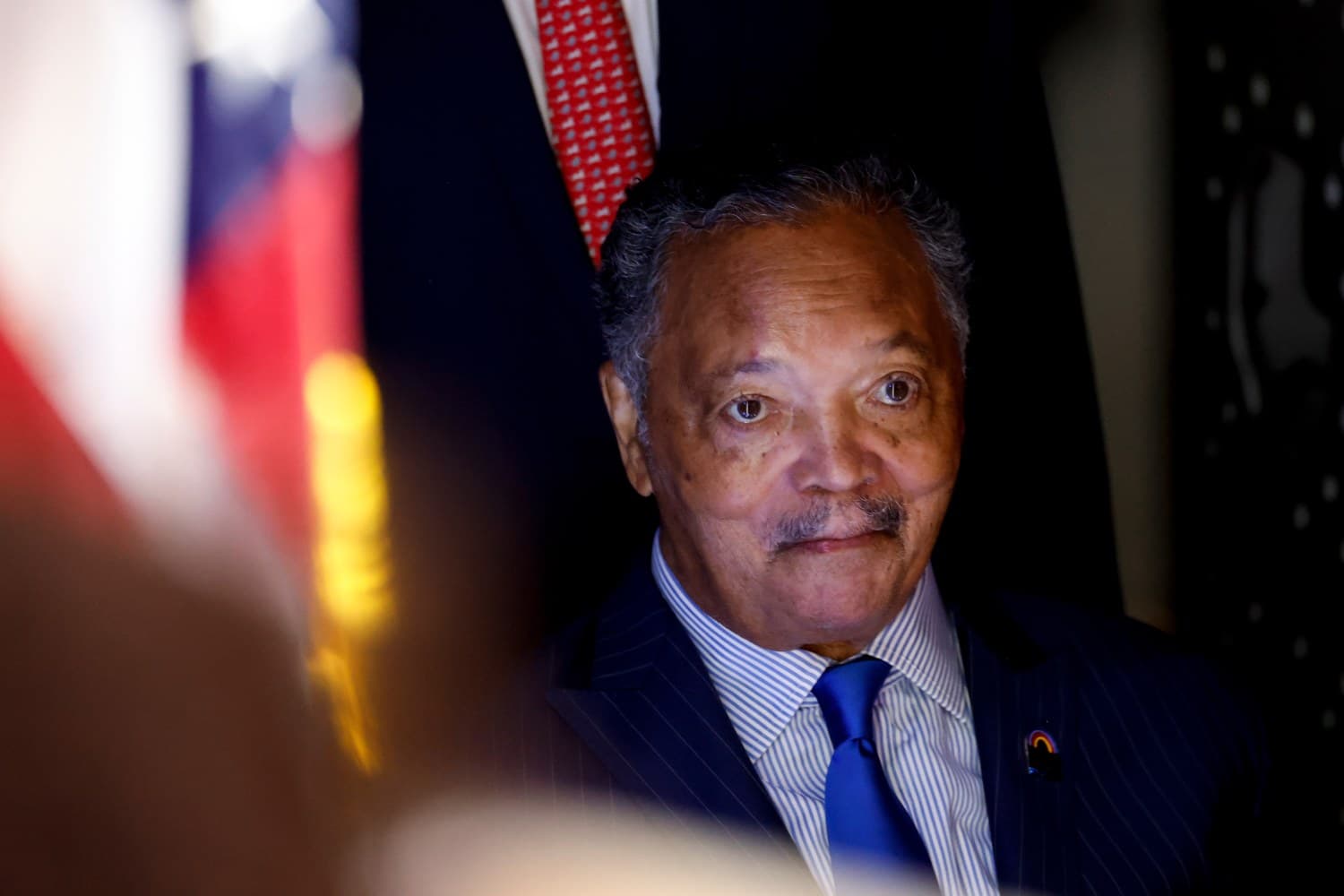
Beyond the tributes, Rev. Jesse Jackson's prolonged health struggles expose a critical failure point in managing high-profile, aging civil rights leaders.
Key Takeaways
- •Jackson's prolonged health issues highlight the unsustainable nature of constant public visibility for aging leaders.
- •The 'tireless crusader' myth creates an expectation that hinders necessary end-of-life care planning.
- •Institutions must develop formal succession and sabbatical plans to support aging figures, rather than relying on indefinite public service.
- •The true cost of iconic status is often the accelerated biological decline due to relentless pressure.
The recent focus on the final health challenges of Rev. Jesse Jackson—battles with Parkinson's disease, prostate cancer, and hospitalizations—has been framed as a somber, respectful remembrance. But as investigative journalists, we must look past the eulogies. The unspoken truth is that Jackson’s protracted decline illuminates a systemic issue: the dangerous collision between relentless public demand and the fragile reality of aging icons. This isn't just a story about one man’s health; it’s a cautionary tale about legacy management in the age of perpetual visibility.
The Unspoken Truth: The Burden of Visibility on Health
For decades, Rev. Jackson was a fixture on the national stage, a high-octane political operative whose life demanded constant movement and confrontation. His family’s disclosures about his declining mobility and the repeated hospitalizations—including recent stays for infections—are not merely updates; they are evidence of a body pushed past its sustainable limits by a career built on unwavering, visible commitment. The dominant narrative focuses on the dignity of his fight. The contrarian take? His long public service might have actively accelerated the deterioration of his health, leaving him vulnerable when the spotlight finally dimmed.
Who benefits from this narrative of unending service until the very end? The institutions that relied on his presence, and the media that profited from his visibility. The hidden cost is borne by the family managing a complex, public end-of-life scenario while simultaneously grappling with the reality of severe chronic illness, like advanced Parkinson's. This creates an impossible standard for aging leaders: either fade quietly or endure a public, drawn-out decline.
Deep Analysis: The Post-Activist Care Crisis
Jackson’s journey mirrors a recurring pattern among towering figures of the Civil Rights Movement. We celebrate their fight, but we fail to adequately fund or structure their retirement and long-term care. Where is the institutional infrastructure designed to catch these titans when the pace of modern life—and the demands of their own continued relevance—becomes too much?
Consider the long-term prognosis for those managing advanced Parkinson's disease. The financial and emotional toll on caregivers is immense, often hidden beneath layers of public formality. This is where the analysis of Jackson’s health challenges deepens: it exposes the gap between the myth of the tireless crusader and the biological reality of aging. This isn't just about access to good doctors; it’s about the cultural expectation that leadership must be physically manifest until death. We need to re-evaluate how we support, and perhaps more importantly, how we *release* our heroes from the front lines.
Prediction: Where Do We Go From Here?
The next phase will see an intense focus on succession planning within organizations like the Rainbow PUSH Coalition. My prediction is that we will see a strategic, rapid elevation of younger, digitally native leaders who prioritize institutional stability over charismatic continuity. The lingering question of Jackson’s final years—the balance between privacy and public duty—will serve as an uncomfortable, yet necessary, blueprint for how future activists manage their exit strategy. Expect formal guidelines from major advocacy groups within five years detailing mandatory 'sabbatical' periods for senior leadership facing debilitating, chronic conditions. The era of the perpetually visible, ailing leader is unsustainable; institutions will adapt to protect their longevity, even if it means sidelining the founding figure.
For more on the challenges faced by aging civil rights leaders, see the ongoing work documented by organizations focused on elder care advocacy, such as the National Council on Aging (NCOA).
Gallery







Frequently Asked Questions
What specific health conditions did Rev. Jesse Jackson battle in his final years?
Rev. Jackson publicly managed several serious health issues, most notably Parkinson's disease, which affects mobility and speech, and a history of prostate cancer requiring significant medical intervention.
Why is the management of aging civil rights leaders’ health often challenging?
These leaders often operate under intense public scrutiny and maintain demanding schedules long past traditional retirement age, leading to burnout and delayed care for chronic conditions, as the expectation is continuous activism.
What is the cultural expectation regarding the retirement of high-profile activists?
Culturally, there is often an expectation for these figures to remain visible and active until they are physically unable, making the transition to private care or reduced roles difficult both personally and politically.
How does Parkinson's disease impact public figures?
Parkinson's primarily affects motor skills, leading to tremors, rigidity, and slowness of movement. For public speakers, it can significantly impact speech fluency and stamina, often requiring careful management of public appearances.
Related News

The Hidden Cost of Local Healthcare Consolidation: Why Niagara Health’s ‘Progress’ is a Trojan Horse
Investigating Niagara Health's restructuring reveals a dangerous trend in regional healthcare consolidation that taxpayers aren't seeing.

Libya’s ‘Clean Bill of Health’: The Forgotten Disease Victory That Hides a Deeper Crisis
The WHO validated Libya's elimination of trachoma, but this public health win masks ongoing institutional fragility and the real cost of 'neglected tropical diseases.'

The Hidden Cost of University 'Wellness': Why USU's Mental Health Push Isn't About You
The expansion of USU's Sorenson Center mental health services reveals a deeper crisis in Northern Utah's **public health infrastructure**.
