The Hidden Cost of 'Galaxy Slam': Why University Science Competitions Are the New Corporate PR Battleground

Forget the telescopes. University science outreach like the UofA's Galaxy Slam is the new frontier for talent acquisition and hidden funding wars.
Key Takeaways
- •Galaxy Slam is less about pure outreach and more about high-level talent scouting for tech/defense sectors.
- •The event serves as a political tool to secure public and legislative support for future university budgets.
- •There is a risk that emphasis on performance (science communication) overshadows less marketable, fundamental research.
- •Future iterations will likely feature deeper corporate sponsorship, turning outreach into a formalized recruiting pipeline.
The Hook: More Than Just Stargazing
When the University of Arizona (UofA) rolls out the red carpet for its annual Galaxy Slam, the headlines scream about accessible science and dazzling student presentations. It’s a feel-good story, perfect for the university's marketing department. But peel back the layers of cosmic dust, and you find something far more cynical at play: this isn't just about inspiring the next generation of astronomers; it’s a highly strategic, high-stakes battle for institutional prestige and future funding streams. The real science communication war is being fought in these brightly lit auditoriums.
The narrative pushed by UofA is one of pure academic outreach—scientists translating complex astrophysics for the masses. They want you to see the passion. What they don't want you to scrutinize is the underlying mechanism. Why invest significant resources into a single, high-visibility event rather than broader, perhaps less glamorous, sustained research funding? The answer lies in the shifting landscape of academic funding and the desperate need for universities to prove immediate, tangible 'return on investment' to trustees and legislators.
The Unspoken Truth: Talent Pipeline or PR Shield?
The primary beneficiaries here aren't necessarily the audience members learning about black holes. The true winners are the departments showcasing their faculty and the students who become immediate, marketable assets. In the hyper-competitive world of STEM recruitment, a polished presenter who can articulate complex ideas—a 'science communicator'—is worth their weight in gold to defense contractors, tech giants, and federal grant agencies. Galaxy Slam functions as an ultra-efficient, real-time job fair disguised as a science fair. This is where the unspoken truth lies: science communication is now a prerequisite for securing major federal grants, and these events are the training grounds.
Furthermore, consider the academic funding ecosystem. When state budgets tighten, universities must demonstrate public value. A viral science event generates positive local media coverage, which translates into political capital when lobbying for appropriations. It’s a sophisticated form of lobbying. The event is the bait; the resulting positive press is the hook that helps secure future endowments or bond measures.
Deep Analysis: The Commodification of Curiosity
This trend reflects a broader societal shift: the commodification of curiosity. Science, particularly space science championed by institutions like UofA, is inherently sexy. It sells tickets, drives applications, and distracts from less glamorous, but perhaps more critical, research areas. While we celebrate the accessibility, we must question what is being sidelined. Are we prioritizing flashy presentation skills over slow, methodical, high-risk research that doesn't fit neatly into a ten-minute presentation format? This emphasis on performance risks creating a generation of scientists adept at marketing but perhaps less rigorous in the lab. This is the core tension of modern science communication.
What Happens Next? The Prediction
In the next five years, expect university science outreach competitions to professionalize further. They will move beyond simple student contests and become formalized, sponsored corporate showcases. Look for major aerospace and defense firms—companies heavily reliant on federal contracts—to become title sponsors, demanding direct access to the top-tier student presenters. The 'Slam' will transform from a university showcase into a subsidized corporate recruiting drive, further blurring the lines between public education and private sector headhunting. The science itself will remain brilliant, but the packaging will become increasingly transactional.
The pursuit of knowledge is noble, but when the spotlight shines too brightly on the messenger, we risk forgetting to fund the message. The true test for UofA and similar institutions will be whether they can maintain scientific rigor while navigating the PR demands of the modern academic funding landscape. For now, enjoy the show, but keep an eye on the sponsorship logos.
Gallery


Frequently Asked Questions
What is the primary goal of the University of Arizona's Galaxy Slam?
Officially, it aims to improve science communication by having graduate students present complex research in an engaging, accessible way. Strategically, it functions as a high-profile PR event that showcases institutional talent and research quality to potential funders and recruiters.
How does science communication impact academic funding today?
Federal agencies and private foundations increasingly prioritize grant proposals that include robust public outreach components. Therefore, events that train scientists in effective communication are vital for securing competitive academic funding.
Are science competitions like this common in other universities?
Yes, similar competitions (often called 'Three Minute Thesis' or specialized science slams) are widespread. They have become standard practice across major research universities as a metric for both researcher skill and institutional engagement.
Related News

The Hidden Empire: Why Your Local Bird Watchers Are Now the World's Most Dangerous Climate Spies
Forget satellites. The massive global effort in citizen science tracking **bird migration patterns** reveals a terrifying, unvarnished truth about **environmental data** that governments don't want you to see.

The Billion-Dollar Lie: Why Your Daily Jog Won't Stop Alzheimer's (And What Actually Will)
New exercise data confirms brain protection, but the unspoken truth about Alzheimer's prevention remains hidden. We dissect the real winners.
The ESA's Climate Secrets: Why Satellite Data is Terrifying the Energy Titans
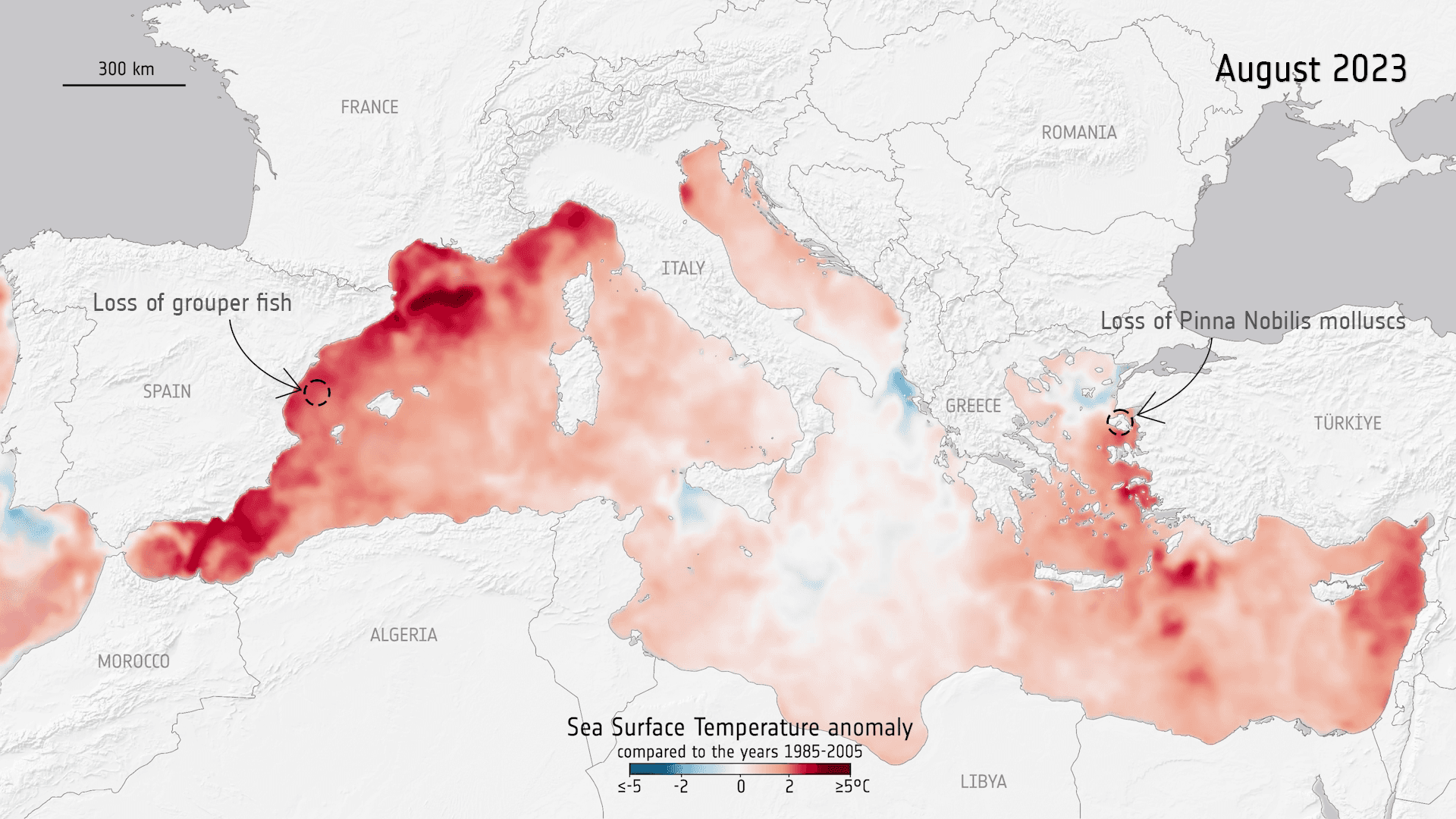
New European Space Agency climate insights reveal a hidden feedback loop that traditional models miss. This is the real climate crisis.

DailyWorld Editorial
AI-Assisted, Human-Reviewed
Reviewed By
DailyWorld Editorial