The Hidden Cost of Diabetes Tech: Why 'Affordable Access' Is a Trojan Horse for Pharma Profit
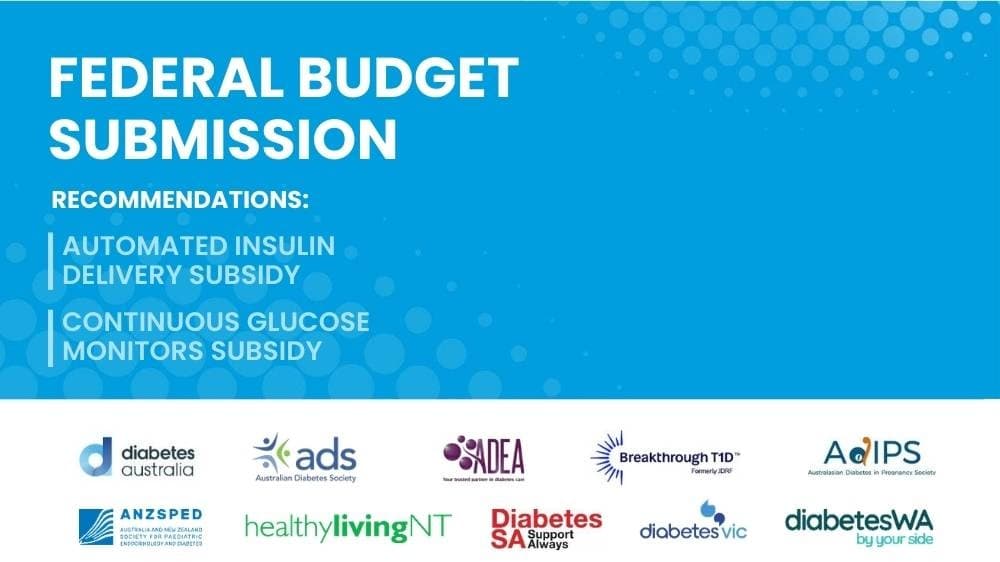
The unified call for affordable diabetes technology masks a deeper regulatory battle. Who truly benefits from this 'access' push?
Key Takeaways
- •The push for affordable diabetes tech is fundamentally a corporate lobbying effort to secure government subsidies and market share.
- •Proprietary systems create high switching costs, locking patients into expensive, recurring consumable purchases.
- •True equity requires demanding open standards and interoperability, not just price reductions on closed ecosystems.
- •The future battleground for control will be patient data generated by these connected devices.
The Unspoken Truth: When Advocacy Becomes Lobbying
The recent, unified front presented by organizations like Diabetes Australia demanding affordable diabetes technology sounds noble. On the surface, it’s a humanitarian plea for equitable access to life-saving Continuous Glucose Monitors (CGMs) and insulin pumps. But peel back the press release, and you find the real battleground: healthcare technology adoption and market control. The conversation isn't just about saving lives; it's about shifting the massive financial burden from patients and the public purse onto specific corporate balance sheets.
We are told this is about closing the 'equity gap.' The reality is that every major advocacy push for subsidized diabetes management technology is a targeted campaign aimed at government procurement offices. The winners aren't just the patients who finally receive a CGM; they are the manufacturers whose expensive proprietary systems suddenly become the default standard, locking in years of recurring revenue through consumables—the test strips, the sensors, the infusion sets.
The Market Lock-In: Why Subsidies Are Subsidizing Corporations
Why is this a story about healthcare technology and not just medicine? Because modern diabetes care is now fundamentally a subscription service. Once a patient is integrated into a specific ecosystem—Dexcom, FreeStyle Libre, Medtronic—the switching costs become prohibitive. This isn't just about buying a new device; it’s retraining, new software integration, and often, a lapse in crucial data continuity.
The industry push for 'affordability' is strategically brilliant. By demanding government subsidies, they secure volume purchasing agreements that guarantee market penetration that organic growth never could. The unspoken truth is that these organizations, while serving a vital patient base, are simultaneously acting as highly effective sales agents for multinational medical device giants. The argument shifts from 'Is this technology necessary?' to 'How quickly can the government pay for it?'
Consider the historical precedent. When pharmaceuticals become generic, prices plummet. When medical devices become standardized and open-source, access widens dramatically. Yet, diabetes tech remains stubbornly proprietary. This is deliberate. The high cost acts as a barrier to entry for competitors and ensures premium pricing for the incumbents.
The Contrarian View: Will Open Standards Ever Win?
The current trajectory guarantees that the most advanced, user-friendly systems will remain financially gated, creating a two-tier health system: those who can afford cutting-edge, seamless management, and those relying on outdated, manual methods. The promise of universal access is often a slow crawl toward subsidizing the most expensive options.
Where do we go from here? My prediction is that the pressure will force governments to adopt mandatory 'interoperability' standards, similar to what is occurring in finance (Open Banking). If systems cannot communicate, they are anti-competitive. However, expect fierce resistance. The next major industry battle won't be over the price of the sensor itself, but over the ownership and access to the patient data generated by that sensor. The data is the new gold, and the current advocacy is merely paving the road for its collection.
For true equity, the sector must demand open-source hardware specifications and standardized communication protocols, forcing competition on service and innovation, not on lobbying power for government handouts. Until then, the call for 'affordable access' is just a sophisticated demand for a massive, guaranteed corporate subsidy.
Frequently Asked Questions
What is the primary barrier to affordable diabetes technology access currently?
The primary barrier is the proprietary nature of Continuous Glucose Monitor (CGM) systems and insulin pumps, which rely on expensive, recurring consumables and lack mandated interoperability, leading to high costs and vendor lock-in.
What does 'interoperability' mean in the context of diabetes devices?
Interoperability means that different manufacturers' devices (pumps, sensors, software) can communicate and share data seamlessly, preventing a patient from being forced to use only one brand's ecosystem.
Who stands to lose if technology access becomes universal and standardized?
The established, high-margin medical device manufacturers who benefit from the current closed system and high proprietary pricing stand to lose significant market control and profitability if open standards are mandated.
Are current patient advocacy efforts truly independent of corporate influence?
While many patient advocacy groups have genuine goals, their funding streams often involve significant contributions from the very manufacturers whose products they are lobbying to subsidize, creating inherent conflicts of interest.
Related News

The Accreditation Shell Game: Why the Huntsman Mental Health 'Win' is Actually a Red Flag for Future Healthcare Education
The University of Utah's new accreditation isn't just a win; it signals a dangerous corporatization of vital **mental health education** and **healthcare training**.

The Digital Ghost Town: Why New Zealand's Pae Ora Health IT Overhaul Is Failing the Front Lines
The massive Pae Ora health restructure promised digital transformation, yet frontline performance lags. We expose the hidden bureaucratic inertia crushing IT progress.

The Karabar Clinic Extension: Why Locking In 2030 is a Quiet Victory for Bureaucracy, Not Patients
The extension of the 'critical' Karabar health clinic until 2030 hides a deeper truth about regional healthcare funding.

DailyWorld Editorial
AI-Assisted, Human-Reviewed
Reviewed By
DailyWorld Editorial