The Great Hospital Escape: Why 'Healthcare on Your Doorstep' is Actually a Trojan Horse for NHS Cuts
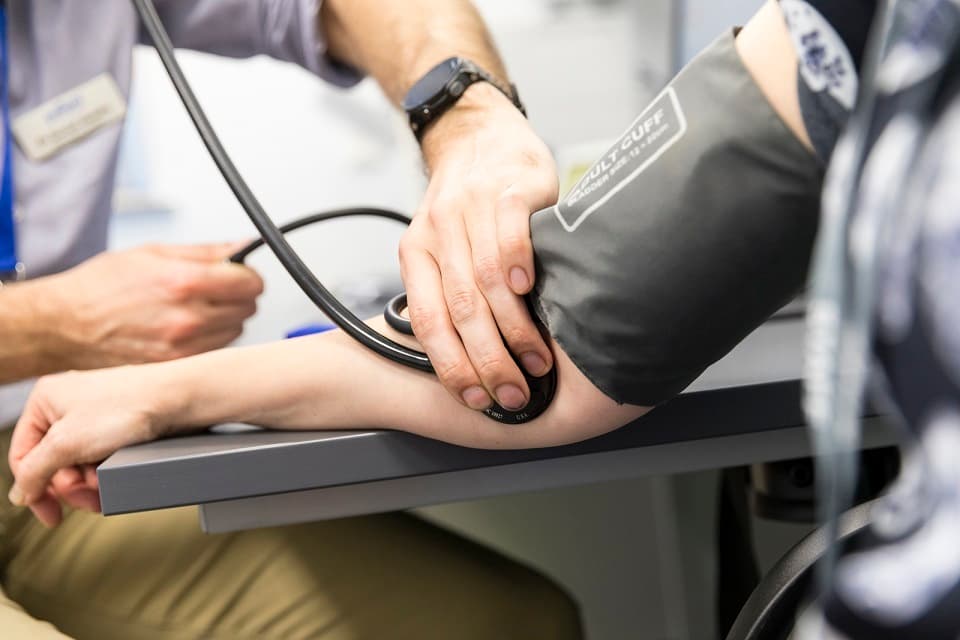
Millions are cheering 'community care,' but the real story behind this healthcare push is the slow, strategic dismantling of traditional NHS infrastructure.
Key Takeaways
- •The 'doorstep care' push is a strategy to manage A&E pressure, not fundamentally increase overall capacity.
- •This decentralization risks fragmenting care pathways for complex patients.
- •The initiative likely benefits private sector contracts over direct public hospital investment.
- •Expect future downgrading of specialist hospital services as functions are offloaded locally.
The Illusion of Convenience: Decoding the 'Healthcare on Your Doorstep' Push
The headlines scream progress: millions of people set to benefit from accessible community healthcare. It sounds like a utopian vision—no more grueling waits for A&E, just swift, local intervention. But peel back the glossy government press release, and you find the uncomfortable truth: this isn't an expansion of care; it's a strategic decentralization of the NHS, wrapped in the palatable language of convenience.
The core announcement promises more diagnostics, minor treatments, and preventative care closer to home. This sounds wonderful, especially for an overburdened system. However, the unspoken agenda is clear: offload capacity. By pushing routine and semi-routine care into local hubs, the government effectively reduces the immediate, visible pressure on major hospitals. This creates the statistical illusion of improvement without actually injecting the necessary capital or staff into the foundational structures of acute care.
The Unspoken Winners and Losers
Who truly wins in this reorganization? Primarily, the Treasury, which can now claim 'efficiency savings' by citing reduced inpatient stays and lower acute demand. The winners are the private providers who are invariably contracted to run these new local hubs, creating a creeping privatization by stealth. The losers? Patients with complex, multi-morbidity needs who require the integrated, specialist environment only a major hospital can provide. They will find their pathways fractured, their care fragmented across several smaller sites, all while waiting lists for actual hospital appointments balloon further.
This shift capitalizes on the public's desperation for speed. When you're sick, you don't care about structural integrity; you want immediate relief. The government knows this. They are weaponizing the current crisis to normalize a two-tier system where basic checks are 'on your doorstep,' but genuine, life-saving specialist care remains miles away, or behind an even longer queue. We must scrutinize where the funding for these new hubs is being diverted from. Historically, such decentralization precedes the closure or downgrading of essential local hospital services, as the core functions are deemed 'redundant' due to the success of the community model. See the historical precedent of service consolidation in regions like Cumbria for context on this pattern.
The Future Prediction: The 'Tier 1' Hospital Collapse
What happens next is chillingly predictable. Within five years, the specialized **NHS** infrastructure—the big hospitals—will become critically brittle. They will be reserved only for the most extreme emergencies, operating beyond capacity because the intermediate step (the local hub) is either overwhelmed or incapable of handling complex step-down cases. This forces ambulances to queue longer and increases mortality rates for acute conditions because the 'system' is too thin everywhere. The local hubs will become bottlenecked intake points, unable to escalate patients effectively.
The only way to truly fix the NHS is massive investment in staffing and technology across the board, not shuffling the deck chairs. This 'doorstep care' initiative is a sophisticated political maneuver designed to manage optics while accelerating structural decline. Don't mistake convenience for comprehensive care. Read the fine print of any major healthcare reform; the devil is always in the detail of resource allocation.
Gallery
Frequently Asked Questions
What is the primary criticism of the 'healthcare on your doorstep' model?
The main criticism is that it risks fragmenting patient care and can lead to the under-resourcing and eventual closure of essential, centralized hospital services by shifting focus and funding.
How does this initiative relate to NHS privatization?
Critics argue it accelerates creeping privatization by outsourcing local care delivery to third-party providers, often under short-term contracts, rather than strengthening core NHS employment.
Will this truly reduce waiting times for major procedures?
While it might reduce waiting times for minor diagnostics or minor ailment treatment, it is unlikely to significantly impact waiting lists for complex, specialist hospital procedures, which require fully staffed acute wards.
What is the historical context for service decentralization?
Historically, decentralization efforts often precede cuts to acute services, as seen in various NHS restructuring efforts, making it difficult for the system to handle genuine emergencies efficiently.
Related News

The Hidden Cost of Local Healthcare Consolidation: Why Niagara Health’s ‘Progress’ is a Trojan Horse
Investigating Niagara Health's restructuring reveals a dangerous trend in regional healthcare consolidation that taxpayers aren't seeing.

Libya’s ‘Clean Bill of Health’: The Forgotten Disease Victory That Hides a Deeper Crisis
The WHO validated Libya's elimination of trachoma, but this public health win masks ongoing institutional fragility and the real cost of 'neglected tropical diseases.'

The Hidden Cost of University 'Wellness': Why USU's Mental Health Push Isn't About You
The expansion of USU's Sorenson Center mental health services reveals a deeper crisis in Northern Utah's **public health infrastructure**.
