The GPUaaS Lie: Why On-Prem AI Infrastructure Is Actually A Vendor Lock-In Trap
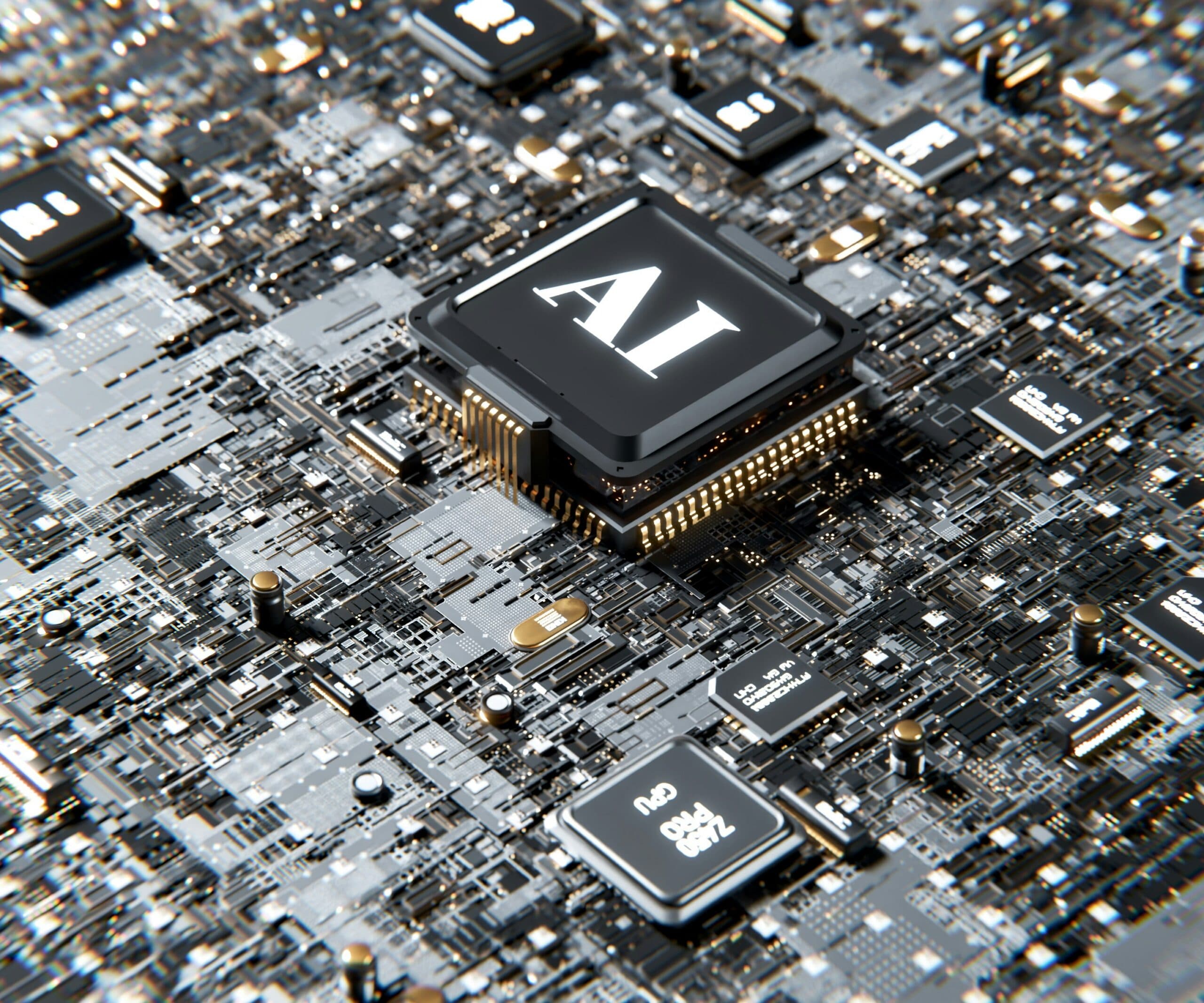
The rush to build **on-prem AI infrastructure** using **GPUaaS** models isn't about control—it's about a new form of dependency. Analyze the hidden costs.
Key Takeaways
- •On-prem GPUaaS exchanges financial risk for complex operational and rapid obsolescence risk.
- •The real cost driver is specialized engineering talent, not just hardware capital expenditure.
- •Vendor lock-in persists through hardware ecosystems and required proprietary management software.
- •Most enterprises will eventually revert to hybrid models as internal management proves unsustainable.
The Hook: The Illusion of Sovereignty
Every major enterprise is currently panicking about data sovereignty and cloud egress fees. The solution, touted in countless white papers, is **on-prem AI infrastructure**, specifically architecting a bespoke **GPUaaS** stack inside their own four walls. This sounds like a triumphant return to control, a defiant middle finger to Big Tech. But stop congratulating yourselves. This supposed revolution is merely exchanging one master for a dozen smaller, more demanding ones. We need to talk about the unspoken truth of enterprise GPU-as-a-Service.
The 'Meat': Reporting on the New Reality
The trend towards internal **GPUaaS**—leveraging high-end NVIDIA hardware managed by Kubernetes or OpenStack—is driven by legitimate concerns over the volatile pricing and dependence on hyperscalers. However, the complexity involved is staggering. Building this internal cloud requires deep expertise in distributed systems, high-speed networking, and, critically, managing firmware and driver updates for hundreds of expensive accelerators. The real cost isn't the CapEx of the servers; it’s the OpEx of the specialized talent required to keep the digital engine running.
Who truly wins here? Not the CIO struggling to hire ML Ops engineers who can debug a CUDA kernel panic at 3 AM. The winners are the specialized hardware integrators, the niche software vendors selling proprietary orchestration layers, and, ironically, the original GPU manufacturer whose ecosystem lock-in remains absolute. You bought the hardware, but you are still renting the capability.
The 'Why It Matters': Deep Analysis of Vendor Capture
This isn't about moving compute; it's about shifting the **AI infrastructure** risk profile. When you use public cloud GPUaaS, the risk is financial (unpredictable bills). When you move on-prem, the risk becomes operational and obsolescence-based. The pace of advancement in AI hardware is brutal. A $5 million cluster purchased today might be significantly outperformed by a new generation of accelerators—with vastly superior interconnects—in 18 months. The public cloud absorbs that depreciation risk instantly. Your on-prem investment becomes a sunken cost faster than you can depreciate it.
This shift also creates a cultural chasm. IT departments, traditionally focused on stability and security, are now expected to operate like hyperscale cloud providers. This mismatch leads to underutilization, security gaps (due to hastily implemented internal APIs), and a massive drag on innovation speed. The promise of fast, flexible **GPUaaS** becomes a bureaucratic nightmare of internal chargebacks and access queues.
What Happens Next? The Prediction
Within three years, the vast majority of enterprises that built these bespoke on-prem stacks will begin a 'reverse migration.' They will realize that managing the complexity of high-performance computing (HPC) infrastructure is not a core competency, but a distraction. The market will consolidate around 'Hybrid Cloud AI Platforms'—solutions that abstract the on-prem hardware behind a unified, cloud-like API layer, often provided by specialized third parties or the original cloud vendors themselves, offering 'cloud bursting' capabilities. True data sovereignty will be maintained only by the very few organizations with the scale (like major defense contractors or national labs) to justify building hyperscaler-level engineering teams. For everyone else, the internal **GPUaaS** experiment will be viewed as an expensive, necessary learning phase before settling back into a more controlled, yet still externalized, utility model.
For an overview on the economics of cloud vs. on-prem, see the analysis from organizations like Gartner or the latest reports from Reuters regarding hardware cycles.
Frequently Asked Questions
What is the main advantage of building on-prem GPUaaS?
The primary stated advantage is maintaining absolute data sovereignty and avoiding unpredictable public cloud egress and compute costs. However, this benefit is often offset by high internal operational costs.
How does on-prem AI infrastructure lead to vendor lock-in?
Lock-in occurs not just through hardware dependency (e.g., NVIDIA ecosystem) but through the reliance on complex, proprietary orchestration software and the scarcity of specialized engineers required to manage that specific internal stack.
Is GPUaaS cheaper than buying hardware outright?
For sporadic or variable workloads, public cloud GPUaaS is often cheaper. For constant, high-utilization workloads, owning the hardware can offer a lower total cost of ownership (TCO) over 3-4 years, provided the organization can absorb the upfront cost and management overhead.
What is the biggest operational challenge for internal GPUaaS?
The biggest challenge is managing the rapid iteration cycle of AI hardware and software dependencies (drivers, CUDA versions). Maintaining peak performance requires a dedicated, hyperscaler-level engineering team, which most enterprises lack.
Related News

The Oregon Auto Show's Tech Mirage: Why Today's 'Innovation' is Tomorrow's Obsolete Hardware
The Oregon International Auto Show is back, but is it showcasing true automotive technology breakthroughs or just selling shiny distractions? We analyze the real winners.

The AI Mirage: Why Your 'Smart' Tools Are Actually Just Expensive Consultants for the Elite
Forget the hype. The true cost of artificial intelligence isn't computational power; it's the centralization of decision-making power.

Sam Altman Just Admitted It: The Great AI Layoff Deception is Here
Sam Altman confirmed what we suspected: 'AI washing' is the new corporate smokescreen for mass layoffs. The real winners aren't who you think.

DailyWorld Editorial
AI-Assisted, Human-Reviewed
Reviewed By
DailyWorld Editorial