The Genetic Gold Rush: Why Your DNA Is Now the FBI's Favorite Unpaid Informant
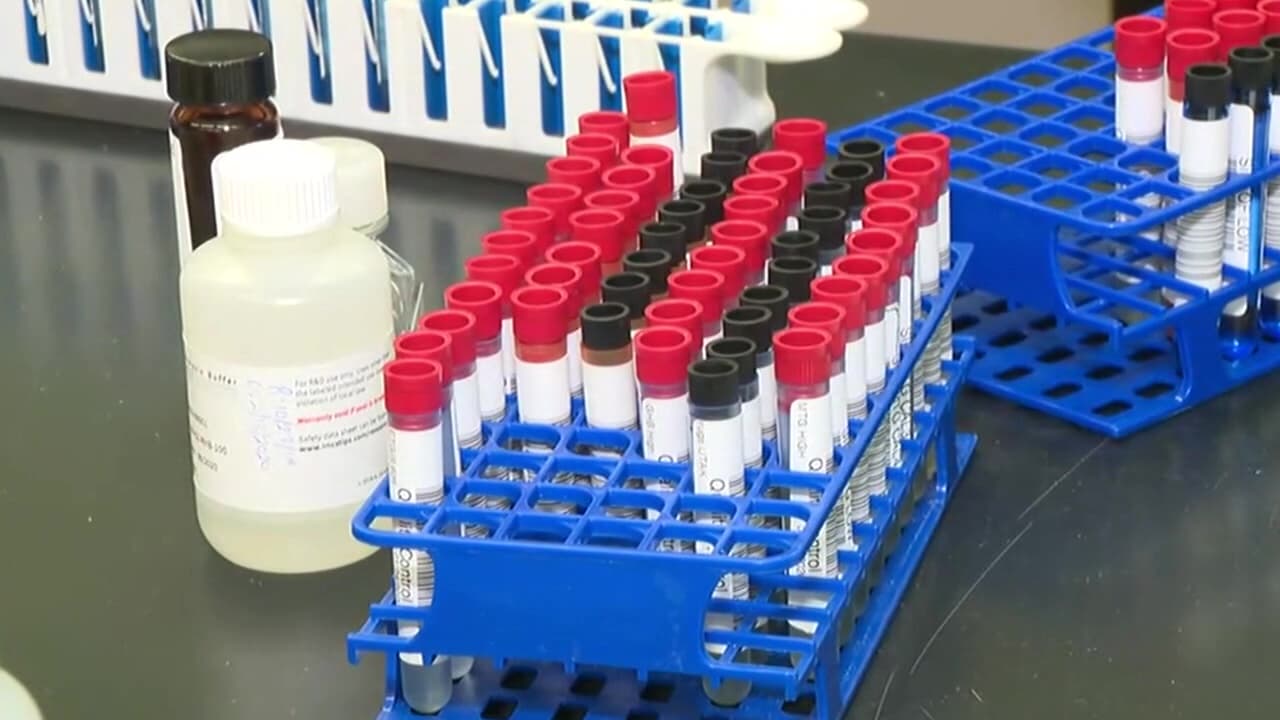
Genetic genealogy is solving cold cases like Nancy Guthrie's, but the hidden cost is the erosion of your digital privacy.
Key Takeaways
- •Genetic genealogy success sets a dangerous precedent for mass, indirect surveillance.
- •The technology leverages consumer genealogy data, bypassing traditional warrant requirements.
- •The primary winner is law enforcement; the primary loser is individual genetic privacy.
- •Expect commercial DNA companies to formalize data sharing agreements with state actors.
The Unspoken Truth: Privacy Died at the Altar of Cold Case Closure
The news cycle loves a victory lap. When **genetic genealogy technology** is successfully deployed to crack a decades-old crime, as seen in the recent application to the Nancy Guthrie case, the narrative is simple: justice prevails. But the real story, the one buried under feel-good press releases, is the profound, irreversible shift in personal data sovereignty. We are witnessing the normalization of the familial dragnet—a world where your cousin's poor choices become your involuntary contribution to law enforcement databases.
The success rate in the Tampa Bay area proves the efficacy of using massive, publicly uploaded DNA profiles—often from consumer ancestry sites—as a backdoor database. This isn't just about solving a single murder; it’s about establishing **technology** as the primary investigative tool, superseding traditional police work. Law enforcement agencies are no longer asking for warrants to search your house; they are leveraging the data you willingly gave to a commercial entity for the purpose of finding out if you're 10% Viking.
The Great Irony: Commercial Convenience vs. Constitutional Rights
The industry enabling this revolution—forensic genetic genealogy—thrives on a fundamental contradiction. Consumers upload their data seeking connection; law enforcement reaps the intelligence reward. Who truly wins? The victims, undoubtedly. But the unseen loser is the public's expectation of digital anonymity. Every successful case sets a new precedent, making it easier for the next jurisdiction to demand access, often with minimal judicial oversight.
This isn't science fiction; this is the new reality of **cold case investigation**. The crucial question isn't whether it works—it clearly does—but rather, at what point does the utility of solving a crime outweigh the right to keep one's genetic blueprint private? Traditional **forensic science** relied on direct evidence; this new paradigm relies on association and probability across vast, unregulated datasets.
Where Do We Go From Here? The Prediction
Forget stricter regulation; that ship has sailed. My prediction is that within five years, major commercial DNA testing companies will face intense pressure, likely from government contracts rather than consumer demand, to create a 'Law Enforcement Optimized' tier. This tier will offer faster, more direct data sharing protocols, potentially bypassing the cumbersome opt-in/opt-out processes currently in place. Furthermore, expect a bifurcation in the market: privacy-focused, encrypted DNA testing services will emerge as a niche luxury item, marketed explicitly as an untouchable zone against state surveillance. The price of knowing your heritage will soon include the price of your personal security.
The key takeaway for anyone considering a DNA test? You are not just testing yourself; you are volunteering your entire extended family tree for potential scrutiny. The era of consequence-free genealogy testing is over.
Gallery
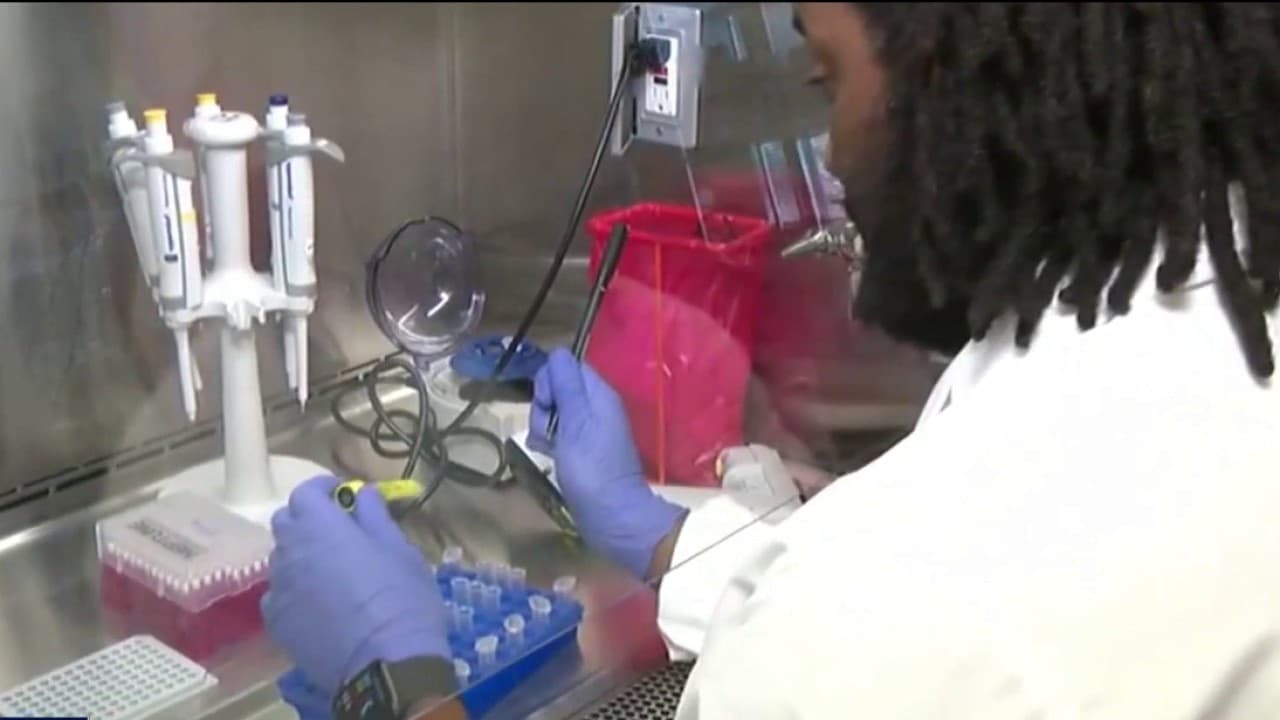

Frequently Asked Questions
How does genetic genealogy technology work to solve cold cases?
Investigators upload crime scene DNA profiles to public genealogy databases (like GEDmatch). They then look for distant relatives and build massive family trees backward and forward until they isolate a single suspect profile through triangulation.
Is my DNA data protected if I use a commercial genealogy service?
Protection varies wildly. While companies have privacy policies, many allow data sharing for research or may be compelled by subpoena or court order to release data, especially when law enforcement is involved in cold cases.
What is the main ethical concern surrounding this technology?
The primary ethical concern is consent. Individuals consent to testing for personal reasons, not realizing their data implicates relatives who never consented to have their DNA on file with law enforcement.
What is the difference between direct-to-consumer DNA testing and forensic genealogy?
Direct-to-consumer testing (like AncestryDNA) is for personal health/ancestry insights. Forensic genealogy uses the resulting public databases to find familial matches to an unknown DNA sample left at a crime scene.
