The Dark Side of 'Walking & Wheeling': Why This Health Fix Won't Close the Inequality Gap
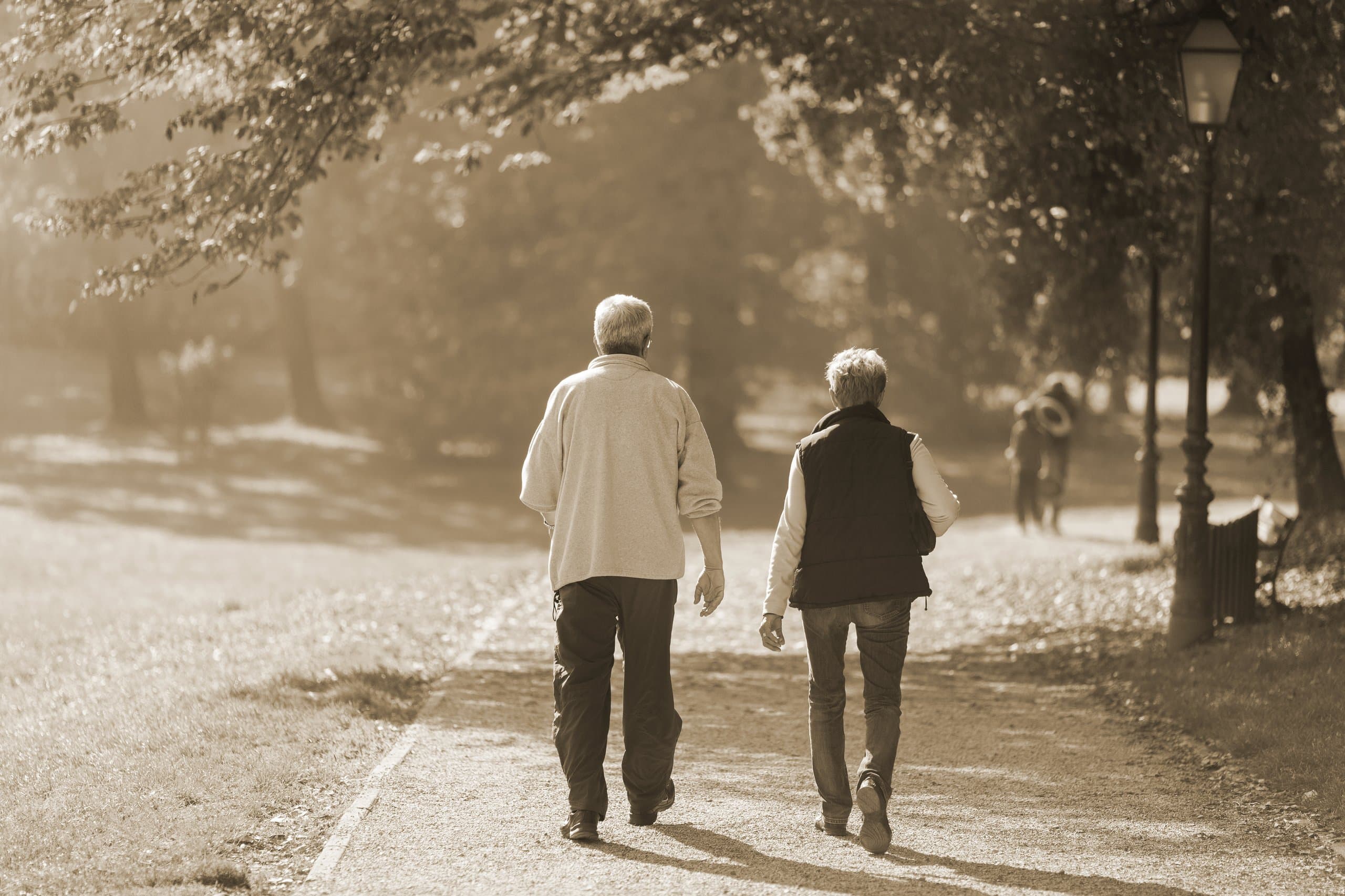
Is promoting walking and wheeling truly the silver bullet for health inequality, or just cheap optics masking systemic failure? We analyze the hidden costs.
Key Takeaways
- •The push for 'walking and wheeling' often masks a lack of investment in safe, comprehensive infrastructure in poorer areas.
- •Systemic health inequality is driven by environment (pollution, food access) more than individual choice.
- •Policymakers favor this narrative because it shifts the cost burden from government capital projects to individual behavior.
- •Without massive infrastructure overhaul, active travel initiatives will exacerbate, not solve, health disparities.
The Great Sidewalk Deception: Why Active Travel Isn't a Panacea for Health Inequalities
We are constantly sold simple solutions to complex societal failures. Today’s trendy tonic? Promoting **active travel**—walking and wheeling (biking, scooting). Policymakers are hailing this as the **health equity** panacea, a low-cost way to force activity into the lives of the underserved, thereby tackling soaring rates of chronic disease and **public health** disparities. But let’s be brutally honest: this narrative is convenient political theater, not genuine structural reform. ### The Unspoken Truth: Infrastructure Dictates Behavior The core lie underpinning the 'walk more' mantra is the assumption of **choice**. For those residing in affluent, well-planned suburbs, walking might indeed be a pleasant option. For vast swathes of low-income urban and rural communities, however, the infrastructure is actively hostile. We are asking citizens living in food deserts, subjected to chronic air pollution, and lacking safe, continuous pavements to simply *will* themselves healthy. This isn't a failure of individual motivation; it’s a failure of municipal planning and sustained investment. Who really wins when governments push this narrative? The Treasury. Infrastructure upgrades—safe cycle lanes, accessible sidewalks, better lighting—cost real money. By framing the issue as a behavioral problem (people aren't walking *enough*), politicians can divert attention from the massive capital expenditure required to make areas truly walkable. The burden shifts from the state to the individual, disguised as empowerment. ### Deep Dive: The Economics of Exclusion Consider the economic reality. **Health inequalities** are intrinsically linked to wealth and environment. A person working two minimum-wage jobs cannot afford the time luxury of walking three miles to a grocery store when a cheap, fast, but polluting bus ride is available. Furthermore, the areas most plagued by obesity and diabetes are often the ones where the air quality is poorest, making strenuous **active travel** a direct health hazard. Promoting walking in an area thick with diesel fumes is not **health equity**; it’s environmental negligence wrapped in a wellness slogan. We must look past the glossy brochures showcasing sunny park paths and confront the concrete reality of neglected neighborhoods. ### What Happens Next? The Prediction If current trends continue, we will see a bifurcation. Wealthy, well-resourced communities will successfully implement active travel schemes, seeing measurable health gains. Meanwhile, disadvantaged areas will see tokenistic, poorly maintained pathways that quickly become crime risks or unusable due to poor maintenance. The gap in **public health** outcomes will widen, not shrink. The only way to truly address this is through mandated, significant federal investment in comprehensive urban redesign, prioritizing safety and connectivity over budgetary convenience. Until then, 'walking and wheeling' remains a superficial balm on a systemic wound. ### The Real Cost of Inaction Ignoring the structural deficits means accepting higher long-term healthcare costs. Treating preventable chronic illness fueled by sedentary, car-dependent lifestyles far outweighs the cost of building genuinely inclusive infrastructure today. This is not just a moral failing; it is fiscally irresponsible. The focus on individual choice distracts from the collective responsibility to build environments where the healthy choice is the easy choice for everyone, regardless of postcode. For more on the economic drivers behind urban planning, see analyses from organizations like the World Health Organization on urban determinants of health.Frequently Asked Questions
What is the primary barrier preventing low-income communities from walking more?
The primary barriers are systemic: hostile infrastructure (lack of sidewalks, poor lighting, high traffic volumes), environmental hazards (air pollution), and time poverty due to multiple jobs or long commutes.
How does active travel relate to health equity?
Active travel promotes health equity only if the infrastructure is equally safe, accessible, and convenient across all socioeconomic areas. Currently, it often benefits those already privileged with better local environments.
Are there any proven benefits to promoting walking?
Yes, physical activity is crucial for health. However, the benefit is maximized when combined with positive environmental factors, such as access to green spaces and clean air, which are often lacking where health inequalities are most severe.
What is the 'hidden agenda' behind promoting walking initiatives?
The potential hidden agenda is using low-cost behavioral nudges to avoid the high cost of necessary structural investments in public transit, road redesign, and urban renewal.
Related News
The Hidden Cost of Diabetes Tech: Why 'Affordable Access' Is a Trojan Horse for Pharma Profit
The unified call for affordable diabetes technology masks a deeper regulatory battle. Who truly benefits from this 'access' push?

The Accreditation Shell Game: Why the Huntsman Mental Health 'Win' is Actually a Red Flag for Future Healthcare Education
The University of Utah's new accreditation isn't just a win; it signals a dangerous corporatization of vital **mental health education** and **healthcare training**.

The Digital Ghost Town: Why New Zealand's Pae Ora Health IT Overhaul Is Failing the Front Lines
The massive Pae Ora health restructure promised digital transformation, yet frontline performance lags. We expose the hidden bureaucratic inertia crushing IT progress.
