The Cult of Nostalgia: Why Mike Nelson's MST3K Return Signals a Deeper Cultural Failure
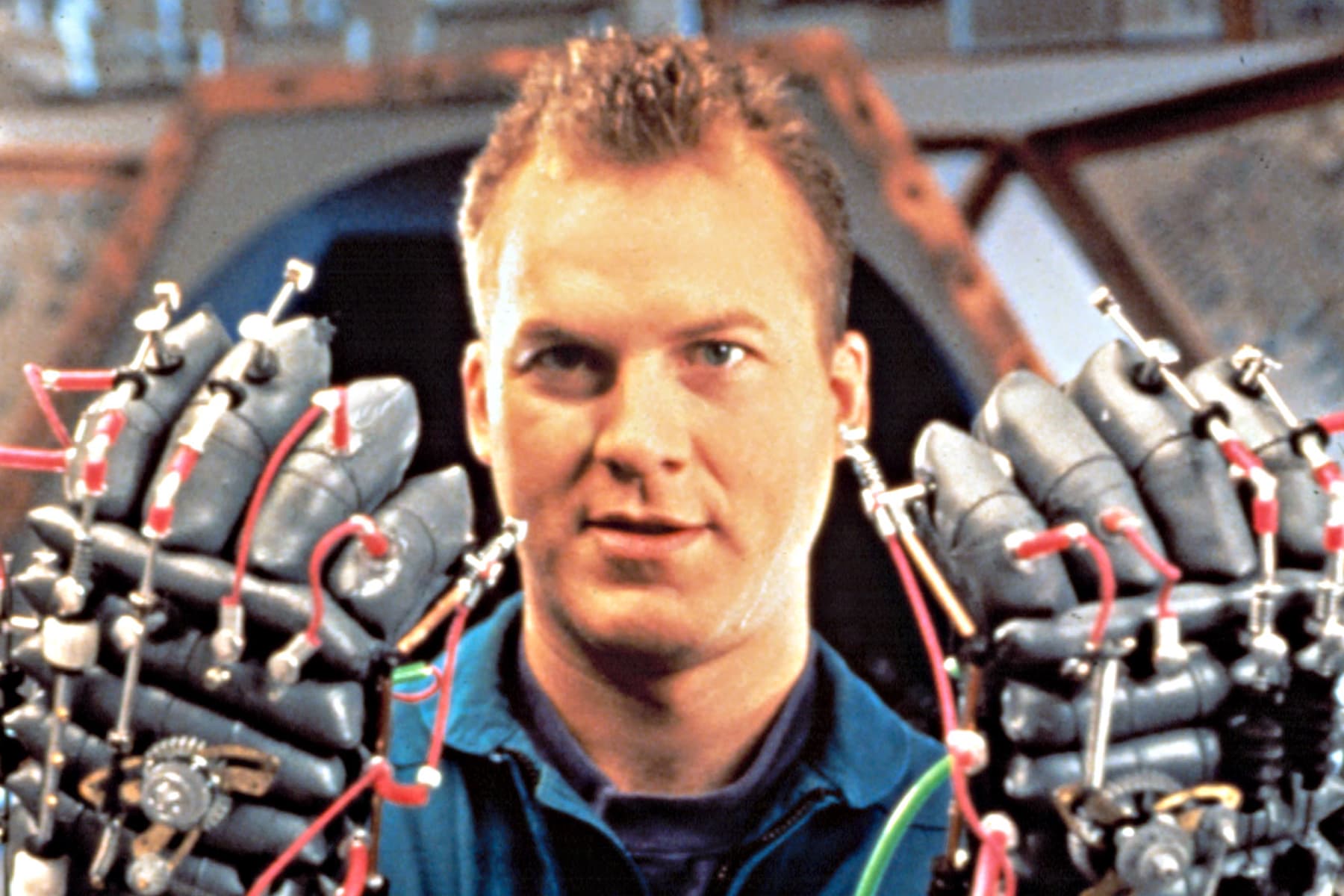
Mike Nelson's 'Mystery Science Theater 3000' comeback isn't just fun; it exposes the decay of modern media innovation.
Key Takeaways
- •The comeback thrives on 'guaranteed engagement' rather than new creative risk, signaling media consolidation.
- •Nostalgia revivals stifle the development of new, original comedic voices in the current media landscape.
- •The next logical step is the corporate manufacturing of 'revival blueprints' for guaranteed, low-risk content.
- •The success highlights a cultural plateau where analyzing the past is prioritized over creating the future.
The Cult of Nostalgia: Why Mike Nelson's MST3K Return Signals a Deeper Cultural Failure
The news broke with the gentle thud of a forgotten VHS tape: Mike Nelson, the voice of Crow T. Robot, is back in the Satellite of Love. For fans of cult television and B-movie commentary, this is a celebration. For the culture critic, however, it’s a flashing red warning sign. Why are we so desperate to resurrect the specific, niche brilliance of 1990s public access sensibilities when the current media landscape is drowning in content?
The return of an original cast member, especially one as beloved as Nelson, is framed as a victory for independent spirit. But let’s analyze the economics of this phenomenon. The actual business model underpinning the modern revival—whether it’s MST3K, Twin Peaks, or a dozen other reboots—is not innovation; it is guaranteed engagement. In an era where every streaming service needs to lower its churn rate, mining pre-existing, emotionally invested fanbases is the safest bet in Hollywood. This isn't creativity; it's asset management.
The unspoken truth here is that contemporary, original comedy struggles to break through the noise. We are saturated with algorithmic suggestions, yet starved for genuine, unpredictable cultural touchstones. MST3K succeeded because it was a low-budget, high-concept antidote to the corporate sheen of network television. Now, the very corporate mechanisms that MST3K once skewered are funding its return, demanding a specific, pre-approved flavor of irony. The danger? We are trading future cultural milestones for comfortable, pre-digested memories.
The Hidden Cost of Comfort Viewing
The true loser in this nostalgia cycle is the emerging comedian or writer who can't compete with a character already imbued with decades of goodwill. Why fund a risky new sketch show when you can guarantee 50,000 dedicated viewers by simply putting Mike Nelson next to a bad sci-fi flick? This reliance on established IP stunts cultural growth. It forces creators to look backward, optimizing for the algorithmically proven tastes of the 35-55 demographic, rather than forging ahead into genuinely new territory. The market is rewarding repetition, not revolution.
Furthermore, consider the source material. The movies riffed upon are often relics of a different cinematic era. While the commentary remains sharp, the context shifts. We are now applying 2024 sensibilities to 1950s paranoia, often missing the original cultural context that made the riffing so potent in the first place. It’s commentary on commentary, divorced from its original cultural anchor points. This is a key indicator of a cultural plateau, where the energy is spent analyzing the past rather than creating the future. This trend is evident across many sectors, detailed in analyses of contemporary media consumption habits by institutions like the Pew Research Center.
What Happens Next? The Prediction
The Mike Nelson-led revival will be successful in the short term, meeting its crowdfunding goals and generating positive buzz. However, the inevitable next step—the one nobody is discussing—is the full-scale corporate acquisition of the revival model. Expect major studios to not just license old IP, but to fund entirely *new* shows built explicitly around the “Revival Blueprint”: hire a beloved figure, select a low-stakes IP, and crowdfund the first season before shopping it to Netflix or Hulu. This signals the complete commodification of irony. The next wave of pop culture nostalgia won't be organic; it will be manufactured, precise, and utterly predictable, optimized for maximum click-through rates.
Mike Nelson’s return is a testament to his talent, but it serves as a somber marker for where our collective creative ambition currently stands. We are comfortable on the Satellite of Love, even if the view outside is getting dimmer.
Gallery

Frequently Asked Questions
What is the main difference between the original MST3K and the current revivals?
The original series thrived on low-budget, genuine outsider status. Modern revivals, while benefiting from crowdfunding, operate within a corporate structure that necessitates optimized, pre-proven engagement metrics, subtly shifting the creative dynamic.
Why are so many 90s shows being revived now?
The primary driver is economic risk mitigation. Streaming platforms and production companies leverage existing, emotionally invested fanbases to ensure initial subscriber retention and viewing hours, which is safer than investing in entirely new, unproven concepts.
What does this trend suggest about current comedy innovation?
It suggests a temporary stagnation. When established IP guarantees returns, funding naturally shifts away from experimental or niche new comedy projects, forcing creators to compete within the framework of nostalgia.


DailyWorld Editorial
AI-Assisted, Human-Reviewed
Reviewed By
DailyWorld Editorial