The Crisis of Trust: Why Science Communicators Are Losing the War Against Misinformation
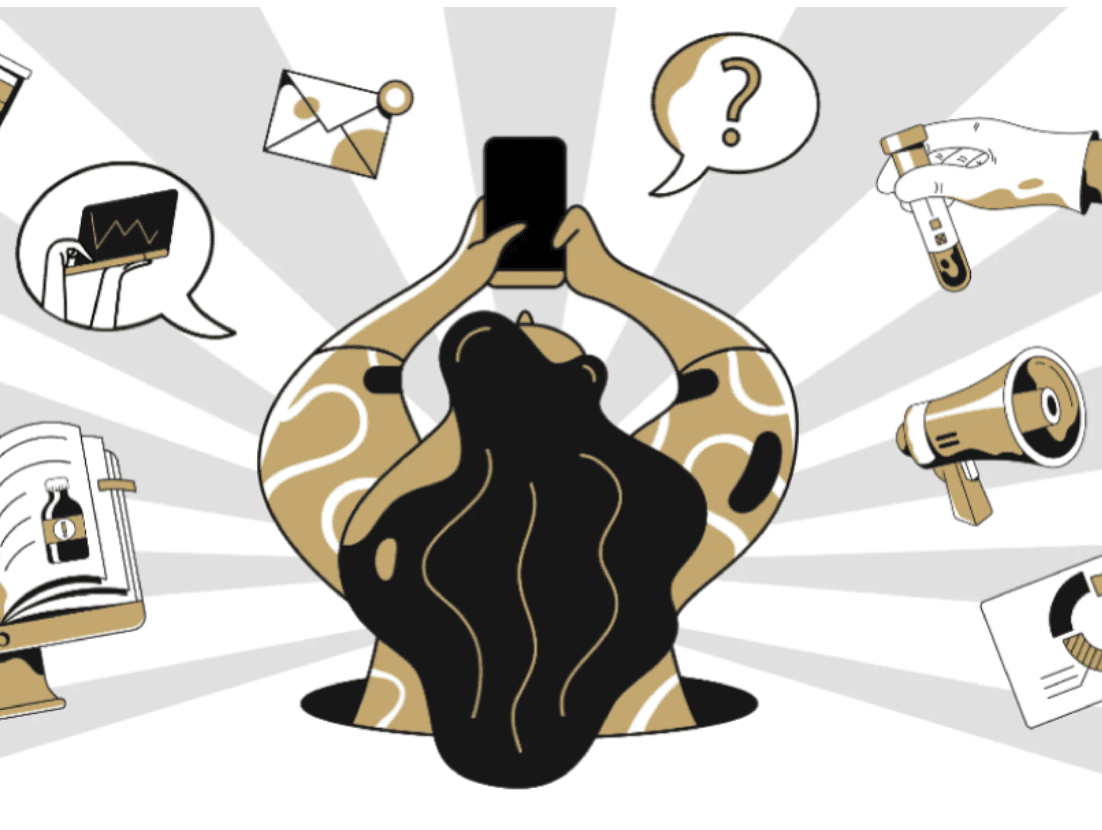
The soaring tide of science misinformation isn't just about bad actors; it's about a fundamental breakdown in institutional credibility and the hidden winners of this digital chaos.
Key Takeaways
- •The core issue is institutional authority failure, not just bad messaging.
- •Tech platforms profit directly from the polarization caused by misinformation.
- •Scientific bodies must actively invite and engage with credible contrarians to rebuild resilience.
- •Future reality will likely involve deeper fragmentation into 'trusted information zones.'
The Hook: Are We Witnessing the Death of Expertise?
The conversation around science communication has become a tired loop: 'Misinformation is bad, we need better messaging.' This facile narrative misses the rot underneath. The current crisis isn't a failure of clarity; it’s a failure of authority. When communicators ponder how to regain public trust, they are essentially asking how to rewind the clock on decades of institutional overreach and clumsy PR. The real battle isn't against falsehoods; it’s against the pervasive, cynical belief that the experts are lying or, worse, incompetent.
We are fixated on the symptoms—the viral conspiracy theory—while ignoring the underlying disease: the commodification of expertise. The rise of scientific literacy is being actively undermined by an information ecosystem that rewards outrage over accuracy. This isn't a level playing field; it's a demolition derby where nuanced truth is too slow to win.
The Unspoken Truth: Who Really Wins When Trust Fails?
The immediate winners in this environment are obvious: fringe content creators, partisan media outlets, and the political actors who weaponize public doubt for immediate gain. But the deeper, darker beneficiaries are the massive technology platforms themselves. Every click driven by outrage, every minute spent arguing a debunked theory, translates directly into advertising revenue. Their business model thrives on polarization, and the breakdown of public trust in science is just collateral damage—or perhaps, a feature, not a bug.
The scientific community, meanwhile, loses. They are forced into a reactive, defensive posture, constantly debunking rather than pioneering. When communicators focus solely on 'explaining things better,' they concede that the failure lies with their delivery, not with the structural incentives pushing people toward comforting lies. The only people truly losing are the public, who are increasingly unable to make evidence-based decisions about health, climate, and policy.

Deep Analysis: The Historical Cost of Nuance
For decades, mainstream science adopted a tone of detached infallibility. When mistakes were made—and they have been, significantly in areas like dietary guidelines or pandemic response—the correction was often slow, bureaucratic, or defensive. This created a vacuum. People don't hate facts; they hate being talked down to. The concept of science communication needs a radical overhaul, moving from monologue to dialogue, and acknowledging historical missteps transparently. Compare the slow, measured corrections from major health bodies with the immediate, emotionally resonant narratives offered by contrarian voices. In the attention economy, measured caution is functionally equivalent to hesitation, and hesitation looks like weakness.
We must recognize that trust is not earned through press releases; it's earned through demonstrated reliability under pressure. Look at the deep, foundational trust placed in organizations like the Centers for Disease Control and Prevention (CDC) decades ago versus today. That erosion didn't happen overnight; it was built brick by brick through political interference and perceived institutional arrogance. (For historical context on trust erosion, see reports from organizations like Reuters on media trust.)
What Happens Next? The Prediction
The current strategy of 'more education' will fail. What happens next is a balkanization of reality. We will see the formal establishment of 'Trusted Information Zones'—digital and physical communities where certain baseline facts are accepted as prerequisites for participation, effectively creating intellectual ghettos. This will not solve the misinformation problem nationally, but it will allow pockets of society to function effectively in areas like public health and technology adoption. However, this fragmentation guarantees increased political friction, as the two 'realities' constantly collide over policy decisions. The only way out is for scientific bodies to actively court **contrarian**, yet fact-based, voices—not as adversaries to be silenced, but as necessary stress-testers for their own conclusions. (The New York Times has covered the concept of information silos extensively.)
The era of passive authority is over. Adapt or become irrelevant.
Frequently Asked Questions
What is the primary blocker to regaining public trust in science?
The primary blocker is the structural incentive system of digital media, which rewards sensationalism over nuance, and a historical pattern of institutional defensiveness when mistakes occur.
How does political polarization affect science communication?
Political polarization weaponizes scientific findings, turning objective data into tribal markers. This forces communicators to fight against pre-existing group loyalty rather than just factual ignorance.
What is the 'contrarian' approach to improving science communication?
The contrarian approach suggests that science institutions must stop acting as infallible authorities and instead engage in radical transparency, even welcoming and robustly addressing credible internal dissent to prove their commitment to the process.
What are the key economic drivers behind the spread of science misinformation?
The ad-revenue-based business models of major social media platforms incentivize high engagement, which is most easily achieved through emotionally charged, polarizing, and often false narratives.
Related News

The Judicial Bomb: Why Teaching Kids About Corruption Is NCERT's Most Dangerous (and Necessary) Power Play
The NCERT syllabus revision exposing students to 'corruption in the judiciary' is more than education; it's a calculated political move.

The Silent Coup: How US Aid Cuts Are Weaponizing Global Science and Who Really Benefits
The reported cuts to US science aid aren't just budget trimming; they are a geopolitical strategy eroding global scientific literacy and trust.

The Invisible Cartel: Who Really Profits From 'Global Health' Aid?
Forget the headlines. The real story in global health isn't charity; it’s the opaque supply chains and the political leverage wielded by logistics giants.

DailyWorld Editorial
AI-Assisted, Human-Reviewed
Reviewed By
DailyWorld Editorial