The Cosmic Lie: Why Giant Exoplanet Formation Shatters Everything We Thought We Knew About Star Systems
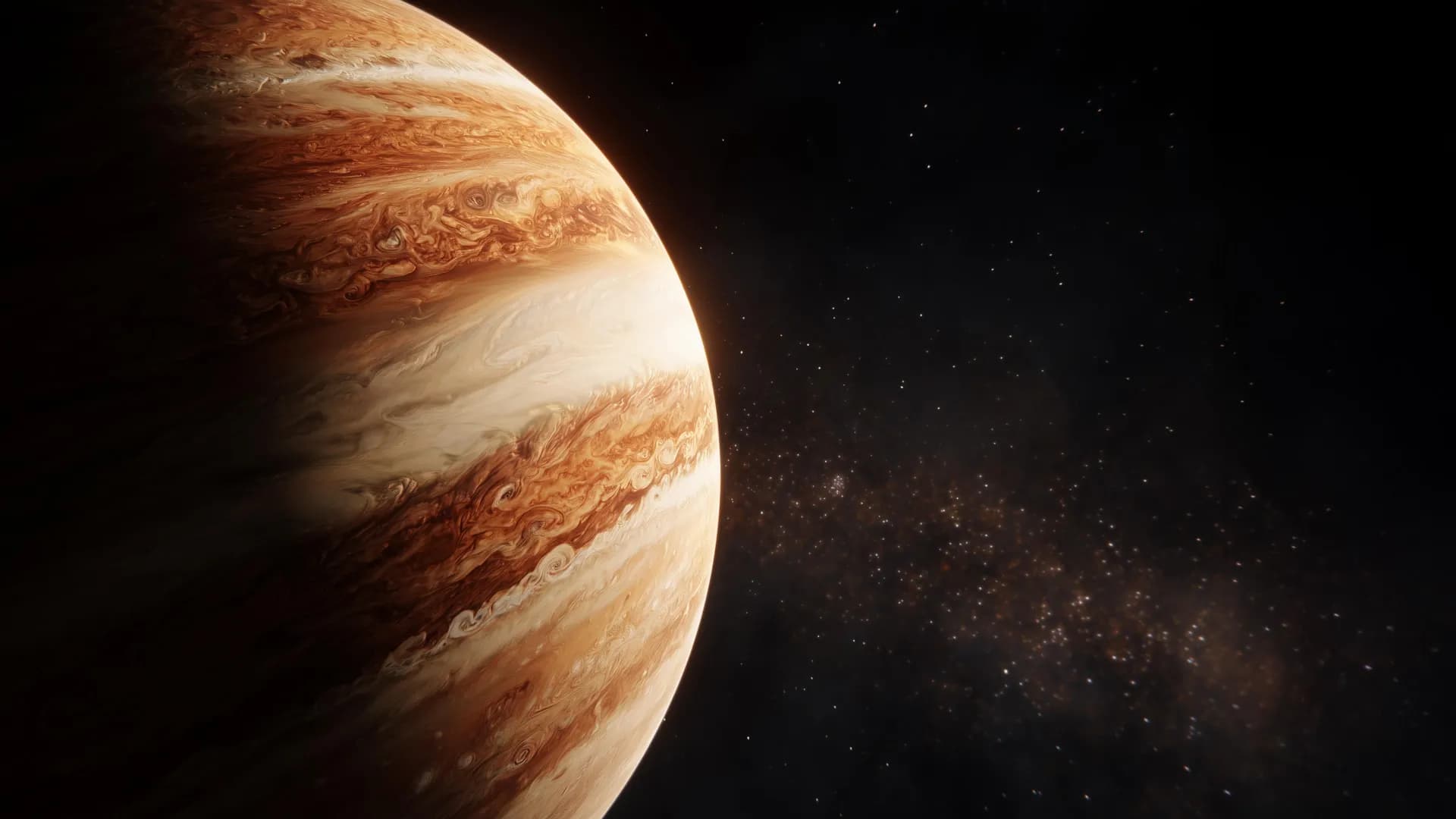
New data on giant exoplanet formation is exposing the fatal flaw in our current models of solar system evolution. The implications are vast.
Key Takeaways
- •The observed speed of giant exoplanet formation contradicts standard Core Accretion theories.
- •This suggests that gravitational instability may be a far more common mechanism for forming massive planets.
- •The stability required for Earth-like evolution might be an extreme cosmic rarity.
- •Funding and observation time will pivot towards studying young, volatile star systems.
The Hook: The Crisis in Celestial Mechanics
Astronomers are reportedly "shocked." That’s the sanitized language used when decades of established theory meet an inconvenient truth. The recent observations concerning the formation of certain **giant exoplanets** are not just a minor adjustment; they represent a fundamental crisis for planetary science. We thought we understood the blueprint: dust clumps, core accretion, gas capture. This new data suggests the universe is playing a far more chaotic, and frankly, illogical game. The key takeaway everyone is missing? Our solar system might be the exception, not the rule, making Earth's stability a statistical anomaly rather than a predictable outcome.The "Meat": When Physics Breaks Down
The scientific consensus has long favored the Core Accretion Model, especially for gas giants like Jupiter. Small solid cores build up first, then rapidly vacuum up surrounding hydrogen and helium gas before the protoplanetary disk dissipates. Simple. Elegant. Wrong, apparently. These newly observed, unusually massive **exoplanets**—especially those orbiting young stars—defy this timeline. They are too big, too soon. The implication is that either the initial conditions of their stellar nurseries were wildly different, or a completely different mechanism, perhaps **gravitational instability**, is dominating in ways we previously relegated to textbook footnotes. If gravitational instability is the primary sculptor, it means massive planets can form in mere thousands of years, not millions, fundamentally altering our timetable for habitability.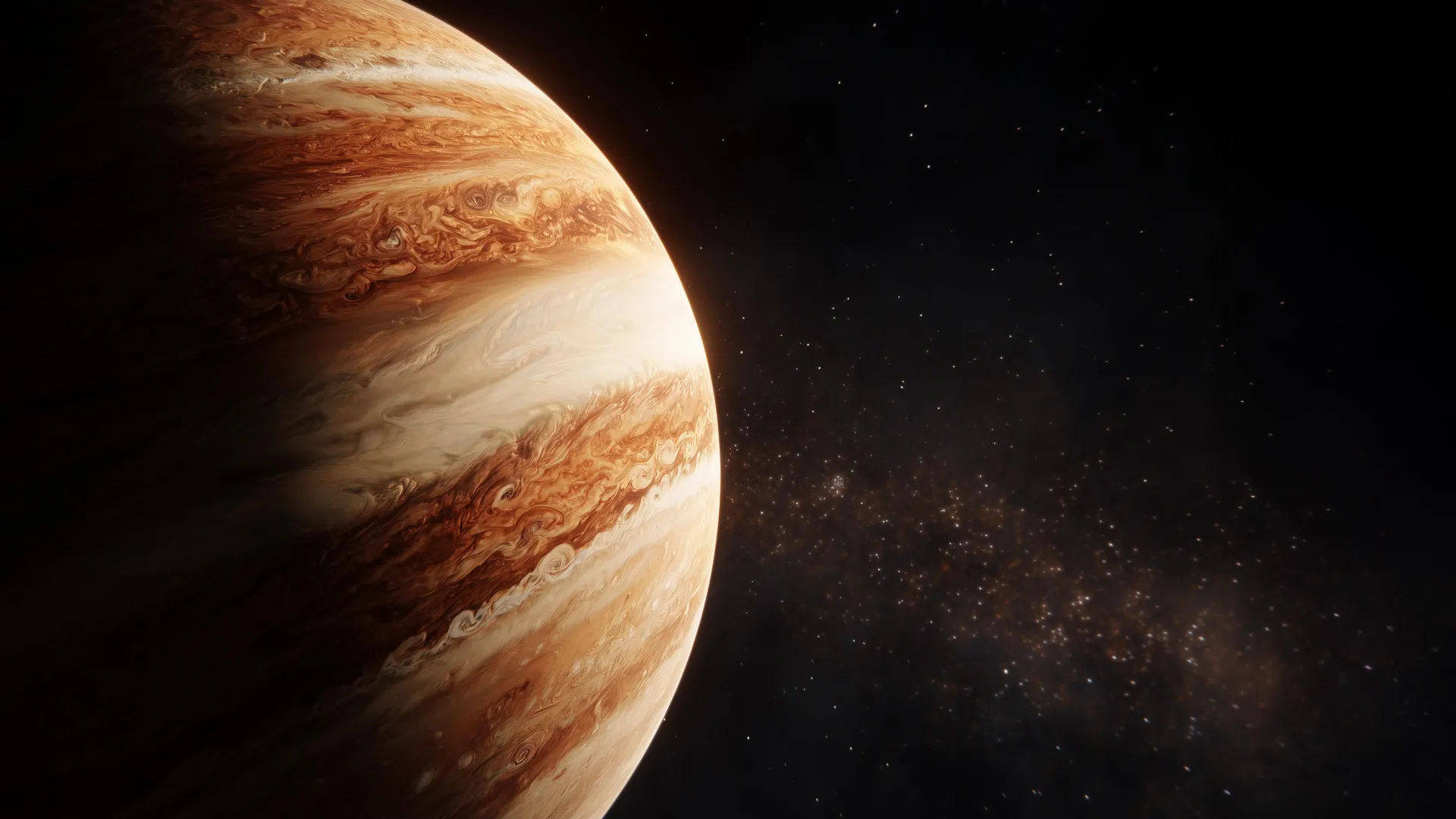
The Unspoken Truth: Who Really Wins?
The hidden winner here isn't just the astrophysicist who gets a Nobel nomination; it’s the proponents of radical, fast-formation theories that were previously marginalized. This discovery validates the more aggressive, high-energy models of planet birth. Who loses? The engineers and modelers relying on the slow, predictable timeline of core accretion to plan future telescope observations and search strategies. The scientific establishment, which staked its credibility on a tidy model, is forced into a humiliating pivot. The hidden agenda? To secure funding for next-generation telescopes capable of probing these rapidly formed, chaotic systems.Why It Matters: The Fragility of Earth
If giant planets can form rapidly and violently via gravitational collapse, it implies that early solar systems are far more gravitationally turbulent than previously assumed. This turbulence drastically increases the probability of planetary scattering—ejecting terrestrial worlds entirely or sending them into destructive orbits. The stability that allowed Earth 4 billion years of uninterrupted evolution, fostering life, might be an extreme statistical fluke. We aren't just looking for life elsewhere; we are now forced to confront how incredibly *rare* a stable, quiet orbit might actually be. For context on how delicate orbital mechanics are, see the principles governing the [N-body problem](https://en.wikipedia.org/wiki/N-body_problem).What Happens Next? The Prediction
Expect a massive, immediate shift in telescope observation time allocation. The focus will pivot away from confirming small, Earth-like worlds around mature stars and towards rapid-fire surveys of young, dense star-forming regions to catch these giant planets in the act of *forming*. **Prediction**: Within five years, we will confirm definitive evidence of a planet forming via direct gravitational collapse, likely one with an atmosphere radically different from Jupiter’s, forcing a complete rewrite of atmospheric modeling for **giant exoplanets**. Furthermore, expect increased skepticism regarding the statistical prevalence of 'Goldilocks' zones, as the formation mechanisms themselves prove unstable.Key Takeaways (TL;DR)
* Giant exoplanets are forming faster than the established Core Accretion Model allows. * Gravitational Instability may be the dominant formation pathway for massive worlds. * This instability suggests that stable planetary systems like ours are statistically rarer than previously believed. * The focus of astronomical discovery will immediately shift to young, chaotic stellar nurseries.Frequently Asked Questions
What is the Core Accretion Model for planet formation?
The Core Accretion Model posits that planets form slowly within a protoplanetary disk when small particles clump together to form a solid core, which then gravitationally captures large amounts of surrounding gas to become a giant planet.
What is the alternative theory to Core Accretion?
The main alternative is Gravitational Instability, where a massive disk of gas and dust becomes so dense in certain regions that it rapidly collapses under its own gravity to form a giant planet almost instantaneously, bypassing the slow core-building phase.
Why are astronomers 'shocked' by these new giant exoplanets?
They are shocked because the newly observed giant exoplanets appear too massive and formed too quickly around their young stars to have developed via the slow, established Core Accretion process.

DailyWorld Editorial
AI-Assisted, Human-Reviewed
Reviewed By
DailyWorld Editorial