The Chromatography Illusion: Why 'Inspiring Women' Days Mask the Real Systemic Failure
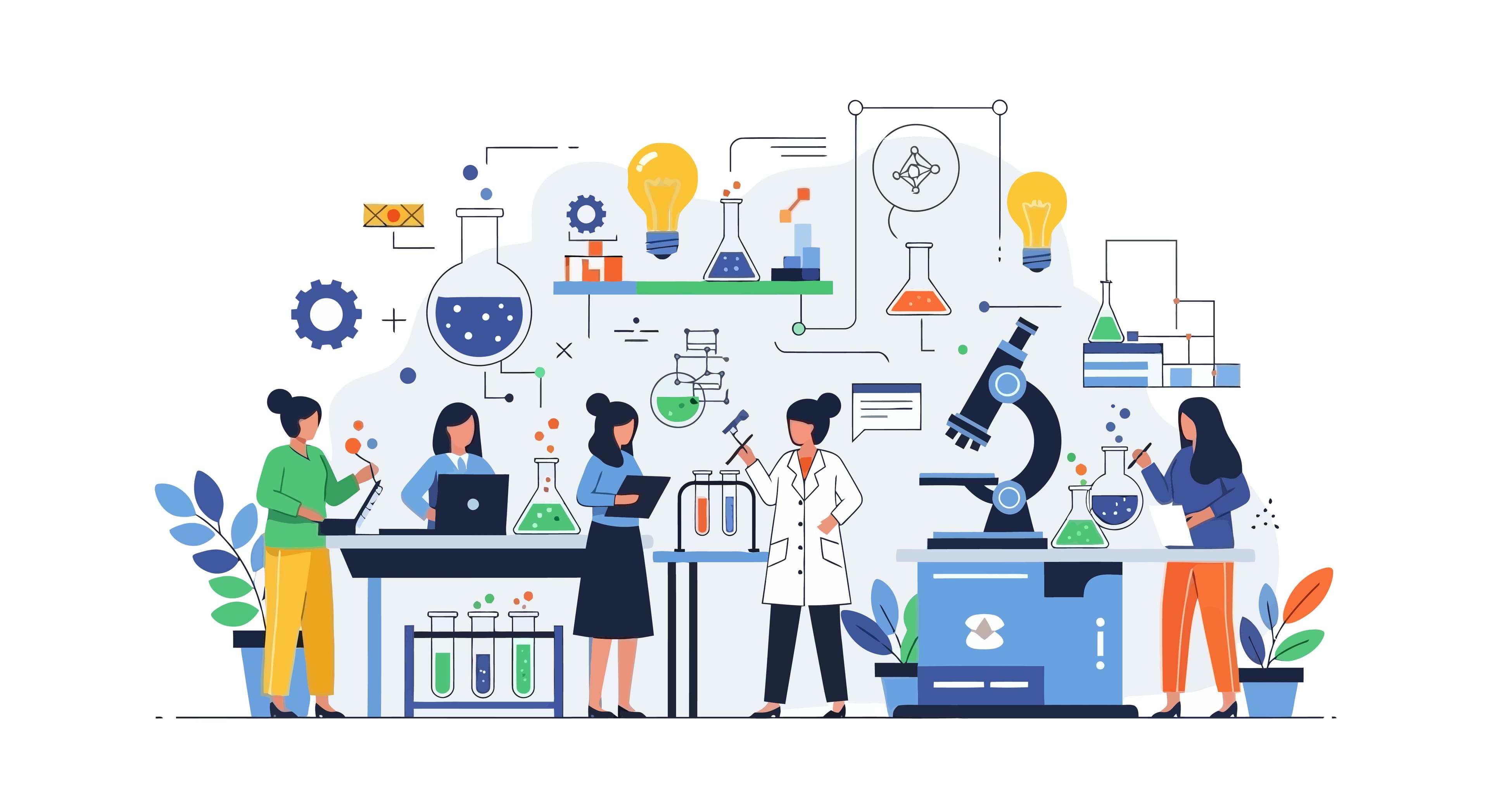
The International Day of Women and Girls in Science is approaching, but the celebration in **chromatography** hides a brutal truth about career stagnation and systemic bias in **analytical chemistry**.
Key Takeaways
- •Annual 'Inspiration Days' often function as PR for institutions rather than catalysts for structural change.
- •The critical failure point for women in science is mid-career retention, not early recruitment.
- •Control over high-stakes analytical fields like chromatography remains largely male-dominated, influencing research direction.
- •True progress requires mandatory, objective promotion metrics, not subjective cultural initiatives.
The Chromatography Illusion: Why 'Inspiring Women' Days Mask the Real Systemic Failure
We are gearing up for another mandated celebration: the International Day of Women and Girls in Science 2026. Specifically, the spotlight is turning toward chromatography—the bedrock of modern pharmaceutical testing, environmental analysis, and quality control. On the surface, this is positive PR. But let’s cut through the polished press releases: these awareness days are often a distraction from the deep, structural rot preventing true equity in the hard sciences. Who truly benefits from this annual performance?
The answer is usually the institutions themselves. Celebrating a handful of visible women in analytical chemistry allows corporations and universities to claim progress without actually dismantling the pipeline leak that occurs mid-career. We don't need more inspiration posters; we need accountability for the retention crisis.
The Unspoken Truth: The Mid-Career Cliff
The narrative always focuses on getting girls interested in STEM early. This is the easy part. The real battleground is the 10-to-20-year mark. This is where highly qualified women, proficient in complex techniques like HPLC and mass spectrometry, vanish from leadership tracks. Why? Because the culture of high-pressure, always-on lab work is fundamentally incompatible with traditional societal expectations placed on women, often exacerbated by insufficient mentorship and outright bias in promotion structures.
Consider the economics. Chromatography is a high-value, high-stakes field. Companies relying on precise separation science need stability. Yet, they tolerate environments where burnout is the norm. The 'inspiration' angle conveniently shifts the burden onto the individual woman—'try harder,' 'be more visible'—rather than forcing organizations to reform grueling tenure tracks or toxic lab management styles. The real winners here are the organizations preserving the status quo while looking progressive.
Deep Analysis: Chromatography as a Microcosm of Scientific Inertia
Chromatography isn't just a technique; it’s an industrial gatekeeper. From drug purity testing to food safety, those who control the methods control the data. When leadership in these analytical sectors remains overwhelmingly male, it creates an echo chamber where research priorities, funding allocations, and mentorship opportunities favor established, familiar profiles. This isn't about capability; it’s about access and sponsorship. A woman succeeding in analytical chemistry often has to work twice as hard to prove her results are not outliers, a phenomenon extensively documented in broader scientific literature (see research on publication bias).
The promise of 2026 is hollow if the promotion from Senior Scientist to Principal Investigator remains an opaque process riddled with subjective evaluation criteria that disproportionately penalize women exhibiting the same traits praised in their male counterparts.
What Happens Next? The Prediction of Stagnation
My prediction is stark: Unless there is a radical shift in institutional governance—moving away from subjective review boards to objective, transparent metrics for promotion—the International Day of Women and Girls in Science will continue to celebrate entry-level enthusiasm while the senior ranks of chromatography remain stubbornly homogenous. By 2030, we will see the creation of 'Women in Leadership in Analytical Science' days, acknowledging that the initial inspiration efforts failed to translate into power structures.
The next major disruption won't come from a new instrument, but from a legal challenge addressing systemic pay gaps or biased hiring panels in major contract research organizations (CROs). That is the only language C-suites truly understand. Until then, enjoy the inspirational speeches.
Gallery


Frequently Asked Questions
What is the primary challenge for women currently working in chromatography?
The primary challenge is the 'mid-career cliff,' where high-achieving women leave technical or leadership tracks due to unsustainable work cultures, lack of sponsorship, and implicit bias in promotion structures, despite strong foundational skills in analytical chemistry.
Why are awareness days sometimes seen as counterproductive?
They are often criticized for shifting the responsibility onto individual motivation ('inspiration') instead of forcing institutions to reform opaque, biased systems that actively hinder retention and advancement.
What is the role of chromatography in modern science?
Chromatography (like HPLC and GC) is fundamental to quality control, drug development, environmental monitoring, and forensic science, making expertise in this area critical for industry leadership.
What is the 'Unspoken Truth' about gender parity in science fields?
The unspoken truth is that while entry-level interest might be balanced, the pipeline leaks severely at the senior and leadership levels due to cultural barriers and systemic inertia within established scientific organizations.
Related News

The Tiny Typo That Reveals NASA's Real Space Priority: Why 'C.13' Correction Hides a Robotic Power Grab
Forget Mars. NASA's Amendment 49 reveals the hidden focus: **Robotic Innovation** is the new frontier, sidelining bigger missions.

The Invisible Hand Crushing American Science: Who Really Profits From Funding Cuts?
The slow erosion of **science funding** isn't an accident; it's a strategy. Unpacking the hidden winners in the war on **research grants** and **scientific advancement**.

The Culture War Erupts in Yellowstone: Who Really Benefits From Erasing Park Science?
A lawsuit over removing history and science displays in national parks reveals a deeper battle over American narrative and federal land control.

DailyWorld Editorial
AI-Assisted, Human-Reviewed
Reviewed By
DailyWorld Editorial