The Certification Black Box: Why CEOs Are Suddenly Terrified of Aviation's Slow Tech Revolution

The real crisis isn't safety; it's the regulatory bottleneck strangling next-gen aircraft technology. Unpacking the unspoken truth.
Key Takeaways
- •The primary bottleneck in aerospace innovation is the outdated, slow certification process, not the technology itself.
- •Current regulations disproportionately benefit large, established manufacturers by creating insurmountable barriers for startups.
- •Failure to adopt performance-based certification models will lead to regulatory capture and economic stagnation.
- •Expect innovation to move into experimental or specialized regulatory silos until mainstream certification catches up.
The Certification Black Box: Why CEOs Are Suddenly Terrified of Aviation's Slow Tech Revolution
When aerospace CEOs gather to discuss aircraft certification and new technology, the public hears platitudes about safety and progress. But the unspoken truth, the seismic tremor shaking the C-suites, is far darker: the current regulatory framework is not just slow; it is an active, existential threat to innovation. This isn't about a single software glitch; it’s about a systemic design flaw in how we validate the future of flight. ### The Performance Theater The recent high-profile discussions, often framed around the integration of advanced AI and novel propulsion systems, are a performance. The CEOs are projecting confidence, yet their underlying anxiety stems from the realization that the Federal Aviation Administration (FAA) and EASA were built for the 20th century. They were designed to certify incremental improvements on proven designs—the 737, the A320. They were not designed for disruptive leaps. When Boeing or Airbus show the world a revolutionary electric vertical takeoff and landing (eVTOL) concept, the gap between prototype reality and final certification paperwork is measured in years, not months. This regulatory lag is the single greatest inhibitor to scaling aerospace technology.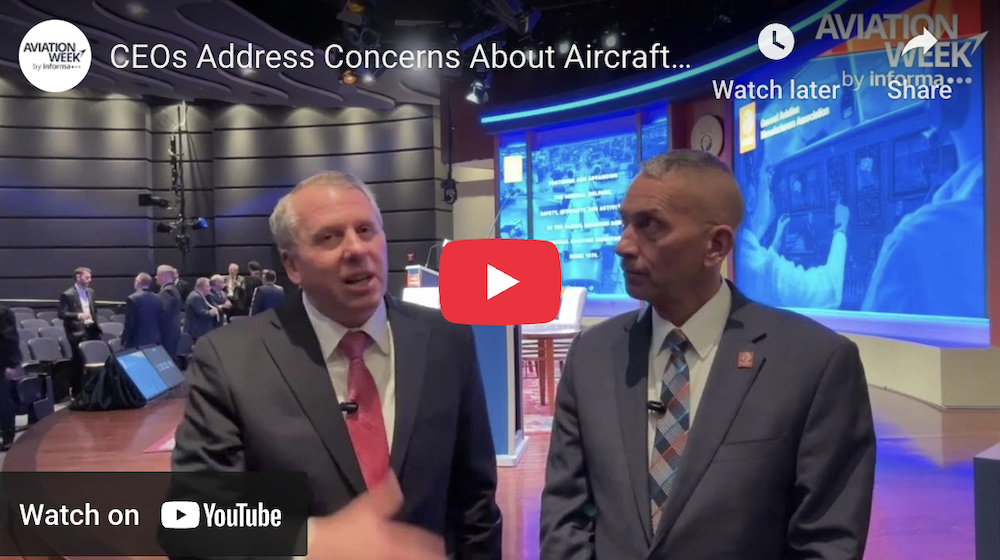 ### The Unspoken Winner: The Incumbent
Who truly benefits from this glacial pace? The incumbents. Legacy manufacturers, with their massive compliance departments and decades of established relationships with regulators, are insulated. They can afford the multi-year certification campaigns. Startups, the true disruptors pushing electric propulsion and advanced autonomy, cannot. They burn through venture capital waiting for a rubber stamp. This means the current system, ostensibly designed for public safety, functions as an incredibly effective, high-barrier-to-entry cartel defense. The 'safety first' mantra often translates to 'status quo first.' We are witnessing the deliberate throttling of potentially cheaper, cleaner flight options under the guise of due diligence.
### The Economic Domino Effect
This isn't just an aviation problem; it’s an economic one. The inability to rapidly deploy new, efficient aircraft locks in higher operational costs for airlines, which are inevitably passed to consumers. Furthermore, it stifles the entire supply chain dependent on rapid technological turnover. If the certification process remains rigidly tied to historical methods, the US and Europe risk conceding the next generation of aviation—including crucial defense and commercial drone technology—to regions willing to adopt faster, perhaps riskier, regulatory sandboxes. The cost of regulatory caution is becoming far greater than the risk of innovation.
### What Happens Next? The Great Regulatory Pivot
My prediction is stark: We will see a bifurcation. Major established players will continue to play the slow, expensive certification game for large commercial jets, ensuring their market dominance. However, the real innovation will migrate to smaller, specialized regulatory pathways—likely under military or experimental designations initially—until public pressure forces a comprehensive overhaul. Expect intense lobbying for 'Performance-Based Certification' models, where regulators focus on proven outcomes rather than prescriptive adherence to legacy design standards. If they fail to pivot within three years, the most exciting aerospace breakthroughs will occur outside the established OEM/FAA ecosystem, creating a shadow industry that will eventually force the regulators' hand through sheer market success. The pressure cooker is building.
### Key Takeaways (TL;DR)
* **Regulatory Lag is the True Barrier:** Current certification methods are designed for incremental change, actively blocking disruptive aerospace technology.
* **Incumbents Win:** The slow process acts as a powerful moat protecting established manufacturers from agile startups.
* **Economic Stagnation:** Slow certification inflates operational costs and delays the adoption of cleaner, more efficient aircraft.
* **Bifurcation Ahead:** Innovation will increasingly bypass traditional regulatory channels until sweeping reforms are enacted.
### The Unspoken Winner: The Incumbent
Who truly benefits from this glacial pace? The incumbents. Legacy manufacturers, with their massive compliance departments and decades of established relationships with regulators, are insulated. They can afford the multi-year certification campaigns. Startups, the true disruptors pushing electric propulsion and advanced autonomy, cannot. They burn through venture capital waiting for a rubber stamp. This means the current system, ostensibly designed for public safety, functions as an incredibly effective, high-barrier-to-entry cartel defense. The 'safety first' mantra often translates to 'status quo first.' We are witnessing the deliberate throttling of potentially cheaper, cleaner flight options under the guise of due diligence.
### The Economic Domino Effect
This isn't just an aviation problem; it’s an economic one. The inability to rapidly deploy new, efficient aircraft locks in higher operational costs for airlines, which are inevitably passed to consumers. Furthermore, it stifles the entire supply chain dependent on rapid technological turnover. If the certification process remains rigidly tied to historical methods, the US and Europe risk conceding the next generation of aviation—including crucial defense and commercial drone technology—to regions willing to adopt faster, perhaps riskier, regulatory sandboxes. The cost of regulatory caution is becoming far greater than the risk of innovation.
### What Happens Next? The Great Regulatory Pivot
My prediction is stark: We will see a bifurcation. Major established players will continue to play the slow, expensive certification game for large commercial jets, ensuring their market dominance. However, the real innovation will migrate to smaller, specialized regulatory pathways—likely under military or experimental designations initially—until public pressure forces a comprehensive overhaul. Expect intense lobbying for 'Performance-Based Certification' models, where regulators focus on proven outcomes rather than prescriptive adherence to legacy design standards. If they fail to pivot within three years, the most exciting aerospace breakthroughs will occur outside the established OEM/FAA ecosystem, creating a shadow industry that will eventually force the regulators' hand through sheer market success. The pressure cooker is building.
### Key Takeaways (TL;DR)
* **Regulatory Lag is the True Barrier:** Current certification methods are designed for incremental change, actively blocking disruptive aerospace technology.
* **Incumbents Win:** The slow process acts as a powerful moat protecting established manufacturers from agile startups.
* **Economic Stagnation:** Slow certification inflates operational costs and delays the adoption of cleaner, more efficient aircraft.
* **Bifurcation Ahead:** Innovation will increasingly bypass traditional regulatory channels until sweeping reforms are enacted.Frequently Asked Questions
What is the difference between traditional and performance-based aircraft certification?
Traditional certification dictates specific design requirements (prescriptive). Performance-based certification focuses on proving the aircraft meets defined safety outcomes, regardless of the specific design methods used, allowing for greater technological flexibility.
Why are CEOs suddenly concerned about certification speed?
CEOs are concerned because the complexity and time required for modern, software-heavy designs (like advanced autonomy) far exceed the capacity of legacy certification schedules, threatening investment timelines and market entry.
Which regions might gain an advantage if US/EU certification remains slow?
Regions, particularly in Asia, that are willing to adopt more agile or outcome-focused regulatory frameworks for emerging technologies like eVTOLs and advanced air mobility (AAM) could secure a significant technological lead.
Related News

The Hidden Cost of Coca-Cola's 'Accelerated Process': Why This Tech Breakthrough Is a Supply Chain Nightmare
Coca-Cola's new 'accelerated process' tech isn't just about speed; it reveals a desperate race against dwindling resources and market control.

The Hidden Price of John Deere's 'Democratization' of Precision Ag Tech
John Deere's push for wider access to precision ag technology masks a deeper battle for data control and farmer autonomy.

The Silent War: Why 2026's 'Green' Airliners Are Actually a Massive Power Grab
Forget the emissions hype. The 2026 airliner technology race is a brutal battle for aerospace dominance, revealing who truly controls the future of global travel.

DailyWorld Editorial
AI-Assisted, Human-Reviewed
Reviewed By
DailyWorld Editorial