The Burnie Health Hub Lie: Why Doctors Say the New Facility Will 'Cannibalise' Essential Care
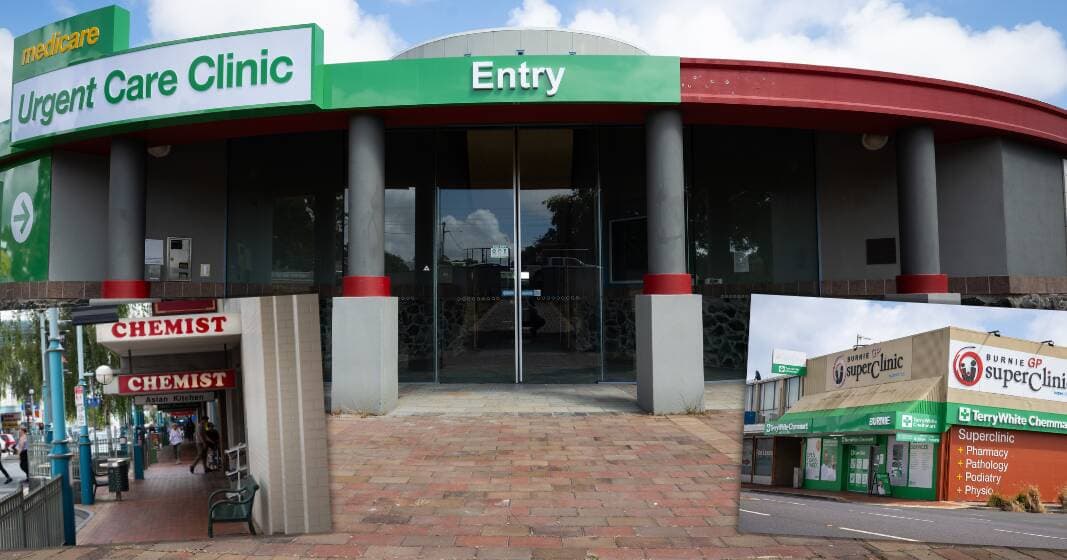
The Burnie Health Hub faces backlash as doctors claim the project will cannibalise existing health services, signaling a deeper infrastructure crisis.
Key Takeaways
- •Medical professionals fear the new Burnie Health Hub will cannibalize existing local services by diverting essential staff and resources.
- •The core issue is centralization, which risks weakening established primary care networks rather than genuinely expanding overall capacity.
- •The development highlights a systemic failure in workforce planning, as building new facilities does not guarantee long-term staffing.
- •Prediction: The hub will face significant operational struggles initially due to service disruption and staff migration.
The Burnie Health Hub Lie: Why Doctors Say the New Facility Will 'Cannibalise' Essential Care
In the quiet political theater of regional Tasmania, a new drama is unfolding around the proposed **Burnie Health Hub**. On the surface, it’s a story of progress, investment, and modernizing healthcare infrastructure. Scratch the surface, however, and you find a furious resistance from the very medical professionals tasked with delivering that care. The incendiary term being thrown around isn't just criticism; it’s an accusation of clinical sabotage: **'cannibalise'**. This single word reveals the unspoken truth about this development: it isn't about expansion; it’s about relocation, and potentially, degradation of existing, functional services. ### The Core Conflict: Centralization vs. Distribution The argument from the fired-up medical community isn't that they oppose better facilities—they vehemently oppose the strategy. The concern centers on the idea that funneling massive resources, specialist staff, and funding into one shiny new hub will inevitably starve the surrounding, established primary and secondary care networks. This isn't merely a planning dispute; it’s a critical examination of **regional health strategy** in Australia. When a new 'hub' is built, the reality often involves poaching the best talent and equipment from older sites, leaving them hollowed out and unable to manage the existing patient load. This creates an immediate access crisis while the new facility ramps up. **Who really wins here?** Politicians get a ribbon-cutting photo opportunity, showcasing immediate action on long-term health infrastructure. Construction firms profit. But the real losers are the elderly, the chronically ill, and the working families who rely on the existing, familiar local clinics. They face longer travel times, a temporary (or permanent) loss of their trusted GPs, and a system stretched even thinner during the transition. This is a classic case of focusing on the spectacular over the sustainable. ### The Unspoken Truth: A Failure in Workforce Planning What the headlines miss is the deeper malignancy: the ongoing **Tasmanian health crisis** regarding workforce retention. Building a state-of-the-art facility is pointless if you cannot staff it beyond the initial launch period. Doctors are not concerned about bricks and mortar; they are concerned about the pipeline of nurses, allied health professionals, and specialists required to run a 24/7 operation. If the new hub merely concentrates existing staff—many of whom are already overworked—it guarantees burnout and accelerates departures from the region entirely. This project risks becoming a very expensive, very modern mausoleum for regional medical talent. Furthermore, the term 'cannibalise' suggests a zero-sum game for local health funding. When governments announce a major capital project, it often locks in spending for the next decade, making it politically impossible to inject emergency funds into operational budgets—the very budgets that keep existing services running smoothly today. We are trading immediate stability for future, uncertain grandeur. ### Where Do We Go From Here? The Prediction If the current trajectory holds, **the Burnie Health Hub will open on time, but it will struggle significantly with service delivery for the first two years.** We predict a sharp, temporary increase in patient wait times across the North West coast as the transition disrupts established patient pathways. The political response will be to blame operational inefficiencies rather than the flawed model of centralization. The true test will come in 36 months: will the hub attract new, long-term staff, or will it simply become the new baseline for understaffing, with the old facilities permanently diminished? My prediction is that unless massive, concurrent incentives are introduced for rural retention, the new hub will achieve only marginal improvement over the existing system, having cost billions in the process. This saga is a cautionary tale for all regional centers: **infrastructure investment without parallel workforce security is merely political theatre.** The focus on shiny new buildings distracts from the hard, unglamorous work of making regional Tasmania a place where health professionals choose to build long-term careers. We need to watch the staffing numbers, not the concrete pours.For more on the broader challenges facing rural healthcare access in Australia, see reports from the Australian Broadcasting Corporation Health section or analysis from the Australian Institute of Health and Welfare on regional disparities.
Gallery







Frequently Asked Questions
What does it mean for a health service to 'cannibalise' another?
In this context, 'cannibalise' means that the resources (funding, specialist staff, equipment) required to operate the new, high-profile facility are drawn directly from existing, established local health services, effectively weakening or shutting down the older sites rather than adding net new capacity to the region.
Why are doctors specifically concerned about the new Burnie Health Hub?
Doctors are concerned because they believe the project prioritizes a single, large capital investment over sustainable operational funding and workforce recruitment strategies necessary to maintain current service levels across the region.
What is the main political driver behind these large regional health developments?
The main driver is often political optics. Major infrastructure projects provide highly visible, tangible evidence of government action, which is more electorally appealing than slow, complex reforms in operational budgets or workforce retention programs.
What is the broader impact of centralization on regional health access?
Centralization can lead to reduced accessibility for rural and remote populations who must travel further for services, and it can strain the remaining local clinics that are left to manage complex chronic conditions without adequate support.
Related News

The Hidden Sugar Tax: Why Thailand’s Drink Crackdown Will Only Make the Elite Healthier
Thailand is forcing beverage makers to slash sugar content. But the real fallout of this public health push targets the poor, not the wealthy elite.

The Doctor Luke Award: Why Honoring Local Heroes Masks a Deep Crisis in Rural Healthcare
The Doctor Luke Award spotlights local heroes, but this East Texas recognition hides a looming **rural healthcare** collapse.

The Hidden Price of 'Miracle' Rehab: Why This Son's Physio Clinic Success is a Warning Sign for Healthcare
Beyond the heartwarming story of recovery lies a stark reality about the privatization of neuro-rehabilitation and the future of accessible healthcare.

DailyWorld Editorial
AI-Assisted, Human-Reviewed
Reviewed By
DailyWorld Editorial