The AI Art Coup: Why Silicon Valley Is Killing Culture (And Who Really Benefits)

The fusion of arts, culture, and technology isn't a renaissance; it's a hostile takeover. Unpacking the hidden economic reality.
Key Takeaways
- •AI integration in arts is an economic consolidation, not democratization.
- •The primary risk is the algorithmic erasure of risky, non-commercial creative endeavors.
- •Future value will sharply divide between cheap, mass-produced AI content and premium, authenticated human work.
- •Regulation of training data ownership is the next major legal frontier.
The Hook: Culture is Not Being Democratized; It's Being Automated.
We are told the convergence of technology, arts, and culture signals a new golden age of creativity. Nonsense. What we are witnessing is the most sophisticated corporate land grab in cultural history. Forget the utopian promises of generative AI; the real conversation about the future of art centers on IP consolidation and the devaluation of human skill. The buzzwords—NFTs, metaverse, creative AI—are just sophisticated camouflage for a massive wealth transfer.
The "Meat": Algorithmic Mediocrity and the Data Drain
The current narrative suggests tools like Midjourney and Sora are simply new brushes. This fundamentally misunderstands the mechanism. These systems are trained on the entirety of human artistic output—often without consent or compensation—creating a parasitic feedback loop. Every new piece of AI-generated content reinforces the bias of the training data, leading to a homogenization of style we are already calling 'AI aesthetic.' The primary winner here is not the independent artist, but the platform that owns the model. They control the means of cultural production, turning creativity into a predictable commodity.
The true battleground isn't the gallery; it's the data pipeline. When platforms become the gatekeepers for distribution—whether through algorithmic feeds or proprietary virtual spaces—the creator becomes utterly dependent. This dependency erodes bargaining power, leading to the race-to-the-bottom pricing we see in freelance creative markets. If you want a piece of technology integrated art, you’ll pay the platform’s micro-fee, not the original creator’s fair wage. This is not evolution; it’s enclosure.
The Why It Matters: The Death of Cultural Friction
Culture thrives on friction, on the uncomfortable, the unprofitable, the truly novel. Algorithms, however, favor engagement and predictability. They reward what is statistically proven to work. Therefore, the long-term impact of this technological integration is the systemic erasure of risk in the creative economy. Why fund a decade-long, difficult artistic pursuit when an AI can generate a thousand passable, commercially viable alternatives in an hour? We are trading depth for speed, and the casualty is genuine innovation. Look at the history of disruption; the first casualty is always the established working class—in this case, professional artists and cultural workers.
Future Prediction: The Great Unbundling and the Analog Backlash
Where do we go from here? The market cannot sustain infinite, near-zero-cost content. The inevitable correction will be a radical polarization. On one side, you will have the hyper-efficient, algorithmically optimized mass media—cheap, disposable, and overwhelming. On the other, a highly valued, premium 'Authentic Human' market will emerge. This backlash will see high-net-worth collectors and cultural institutions paying astronomical premiums for verified, provenance-tracked, purely human-made works. The true value of technology in art will ironically become proving what it cannot do. Expect major legislative battles over data usage and copyright within five years, forcing a reckoning on who owns the digital ghost of human creativity.
Key Takeaways (TL;DR)
- The AI art boom primarily benefits platform owners controlling the training data and distribution models.
- Cultural homogenization is an inevitable side effect of algorithmically optimized creation.
- The real future value will shift to verifiable, provenance-backed 'human-only' art as a luxury good.
Gallery
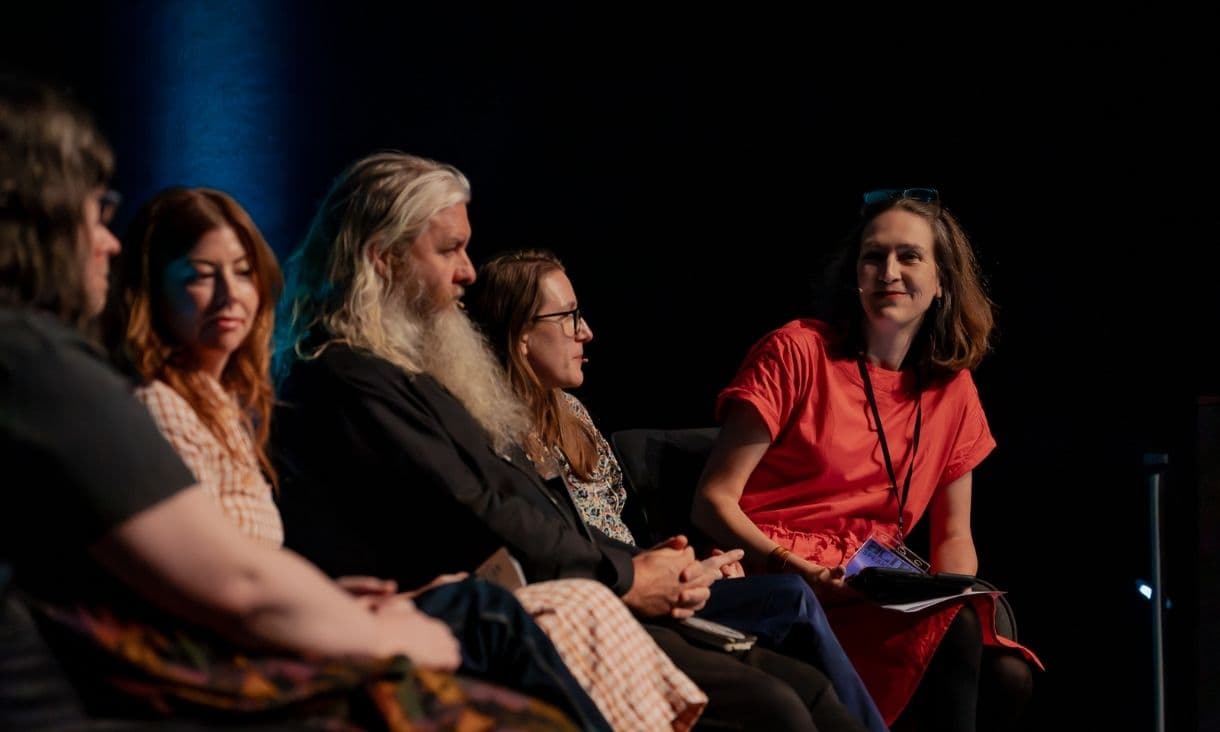
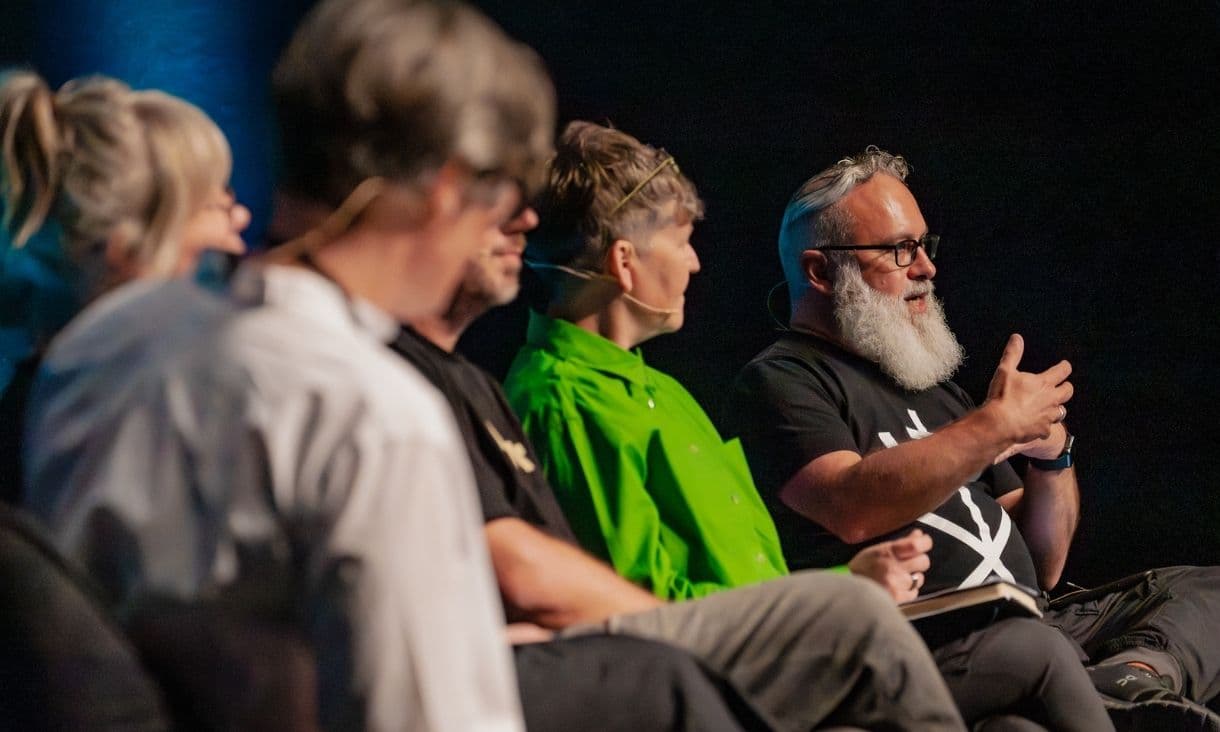
Frequently Asked Questions
Is generative AI actually helping independent artists find new audiences?
While some tools offer efficiency gains, the overall market saturation driven by AI often drowns out independent human work, forcing reliance on the same proprietary platforms that devalue their skills.
What is the biggest threat to established artists from new technology?
The threat is not obsolescence, but devaluation. When an AI can mimic a style instantly, the market rate for that style collapses, forcing established artists to pivot toward performance or highly exclusive physical mediums.
Will NFTs or the Metaverse solve the economic problems created by AI art?
No. While they provide provenance mechanisms, they are simply new distribution layers controlled by centralized entities. They solve a tracing problem, not a creation ownership or fair compensation problem.
What is the most important piece of technology impacting culture right now?
The most impactful technology is not the front-end creative tool, but the large language and image models themselves, as they represent centralized control over the foundational data corpus of human creativity.
Related News
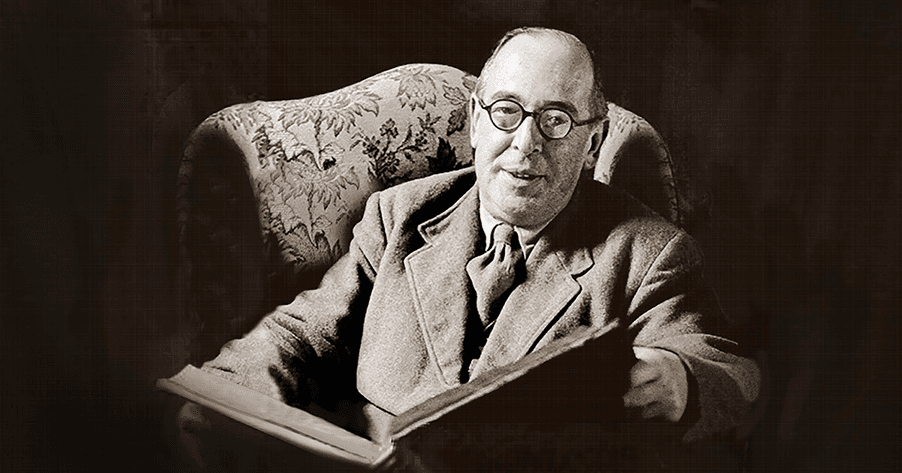
The Hidden Cost of Digital Immortality: Why C.S. Lewis Warned Us About 'The Abolition of Man' in Your Smartphone
We analyze how C.S. Lewis's timeless critique of technological overreach perfectly predicts today's AI and digital dependency crisis.
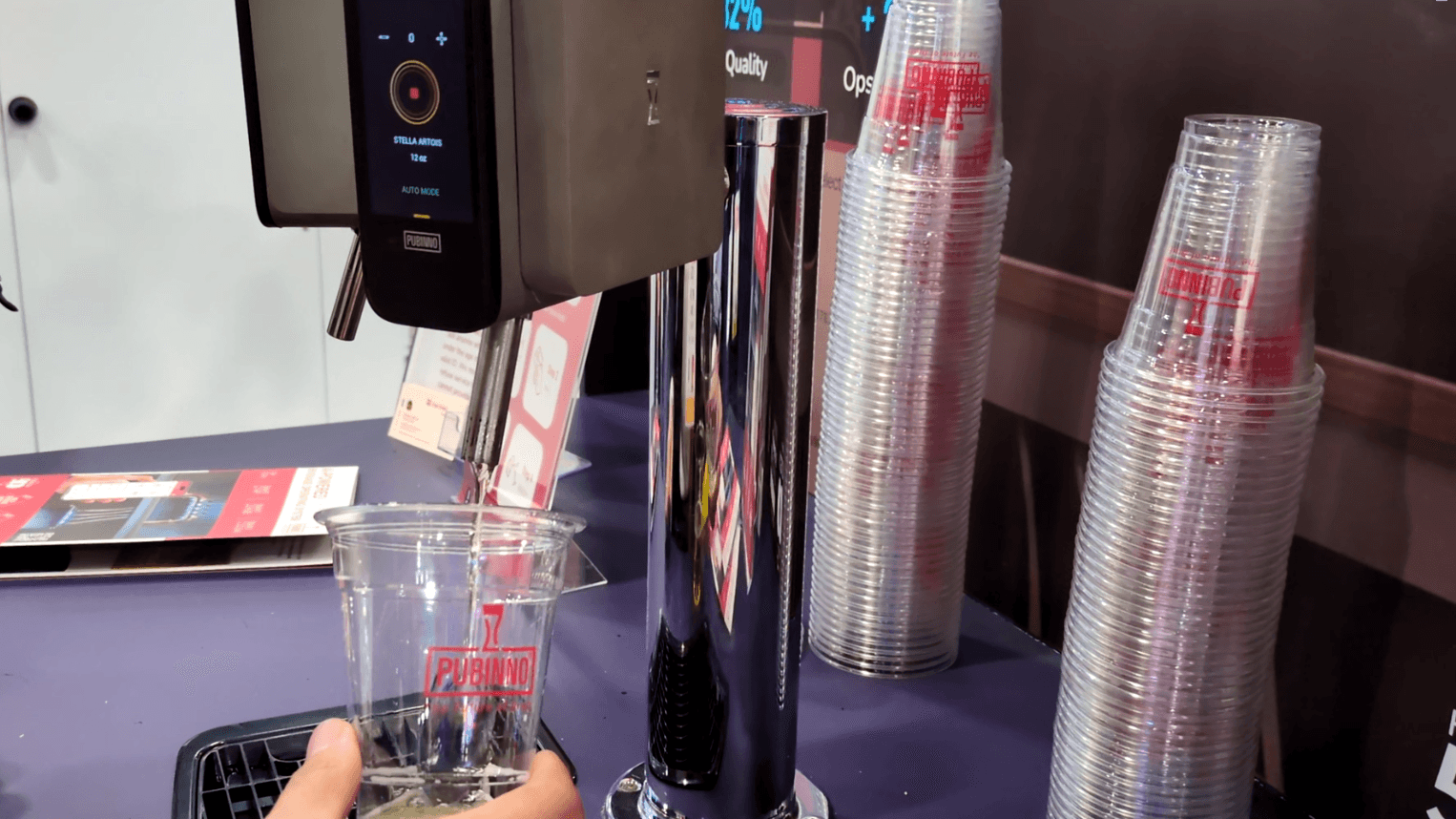
The Beer Tap is Watching You: Why Pubinno’s Smart Tech is a Threat, Not a Triumph, for Hospitality
The Pubinno Smart Tap at CES promises efficiency, but the real story of this 'clean technology' is data surveillance and the death of the bartender.
