Tengchong's Science Summit: The Real Geopolitical Power Play Hidden in 'Innovation'
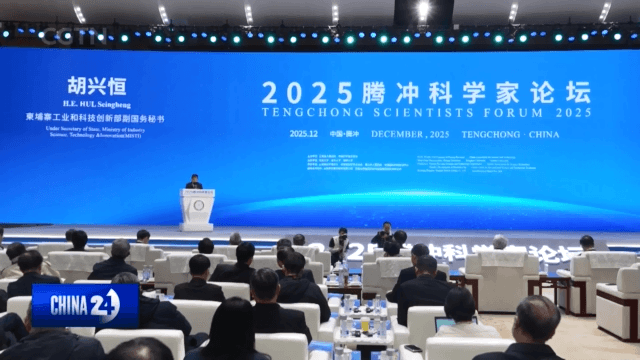
Forget the platitudes. This Tengchong gathering signals a massive pivot in global scientific collaboration, and the winners aren't who you think.
Key Takeaways
- •The summit signals a strategic realignment in global scientific collaboration, driven by economic and security concerns.
- •The focus is shifting from open academic exchange to securing national advantages in key technological domains.
- •The unspoken reality is a growing bifurcation in global research ecosystems.
- •Future breakthroughs will likely be announced unilaterally, reflecting nationalistic priorities.
The recent global scientists' summit in Tengchong, ostensibly about advancing innovation-driven development, was framed as a celebration of pure discovery. This is the soft narrative. The hard truth, however, is that this meeting represents a calculated strategic move in the escalating global competition for technological supremacy. When global scientific minds convene under specific banners, it’s never just about peer-reviewed papers; it’s about securing supply chains, influencing research agendas, and, ultimately, defining the next decade of economic dominance.
The Unspoken Truth: Diplomacy Disguised as Discovery
The real story isn't the list of attendees; it's the list of *absentees* and the geographic focus. While the optics suggested open collaboration, these high-level gatherings are meticulously curated environments designed to foster specific international research pathways while subtly isolating others. Tengchong, far from being a neutral ground, acts as a strategic hub. The conversation around global science is now inextricably linked to national security and economic resilience. Who controls the next generation of quantum computing, sustainable energy, or advanced materials dictates global leverage. This summit was less a brainstorming session and more a high-stakes audition for future research partnerships.
The primary winners? Nations capable of quickly translating theoretical breakthroughs into commercialized, scalable scientific innovation. The losers? Researchers whose work doesn't align with the immediate, stated goals of the dominant power blocs present. This isn't about slowing down science; it's about directing its flow, a classic example of soft power projection.
Deep Dive: Why Tengchong Matters More Than Geneva
We are witnessing the fragmentation of global research ecosystems. Decades of relatively free academic exchange are giving way to 'bloc-based' science. The gathering in Tengchong underscores a critical pivot: the shift from relying solely on established Western research hubs to cultivating new, dynamic centers of gravity. This challenges the traditional G7-centric view of R&D leadership. Think of it as re-routing intellectual property flows. For a deeper understanding of how these geopolitical shifts impact foundational research, look at the ongoing debates surrounding intellectual property rights, as documented by institutions like the World Intellectual Property Organization (WIPO).
Furthermore, the focus on 'innovation-driven development' screams economic necessity. In an era of slowing global growth, the only reliable competitive edge is technological superiority. Every nation present is desperately trying to secure a foothold in the next industrial revolution, viewing their scientists not just as thinkers, but as vital national assets.
What Happens Next? The Prediction
Expect a sharp bifurcation in global research funding over the next three years. We will see two distinct, increasingly siloed research spheres emerge—one centered around existing Western alliances and another solidifying through these new strategic partnerships. The immediate consequence will be duplication of effort, but the long-term effect will be accelerated progress in specific, highly prioritized areas (like AI ethics or fusion energy) within each bloc, while cross-pollination stalls. The next major breakthrough will likely be announced not in a joint paper, but in a press release emphasizing national achievement. Visit the latest reports on international research collaboration trends from organizations like the OECD for context on this decoupling.
The Takeaway: TL;DR
- The Tengchong summit is a strategic move to reshape global R&D alliances, not just a friendly scientific exchange.
- Geopolitical competition is now dictating the direction of scientific innovation.
- Expect accelerated, but increasingly separated, research tracks globally.
Frequently Asked Questions
What is the primary unspoken agenda behind global science summits like the one in Tengchong?
The unspoken agenda is often to strategically align international research efforts toward specific national economic or security goals, subtly influencing resource allocation and discouraging collaboration with non-aligned research groups.
How does 'innovation-driven development' translate into geopolitical power?
It translates directly into power by ensuring a nation controls the next wave of critical technologies, from advanced semiconductors to green energy infrastructure, thereby dictating future trade terms and military capabilities.
Will this gathering slow down overall scientific progress?
It might slow down *shared* progress due to reduced cross-border data sharing, but it could accelerate progress in highly prioritized, competitive areas within the specific blocs that form these new alliances.
Related News

The Hidden Cost of Kano's Tech Boom: Why 'Innovation' in Africa is Often Just Digital Colonialism
Forget the glossy press releases. The true impact of science and tech initiatives in Kano reveals a deeper geopolitical struggle over digital sovereignty.
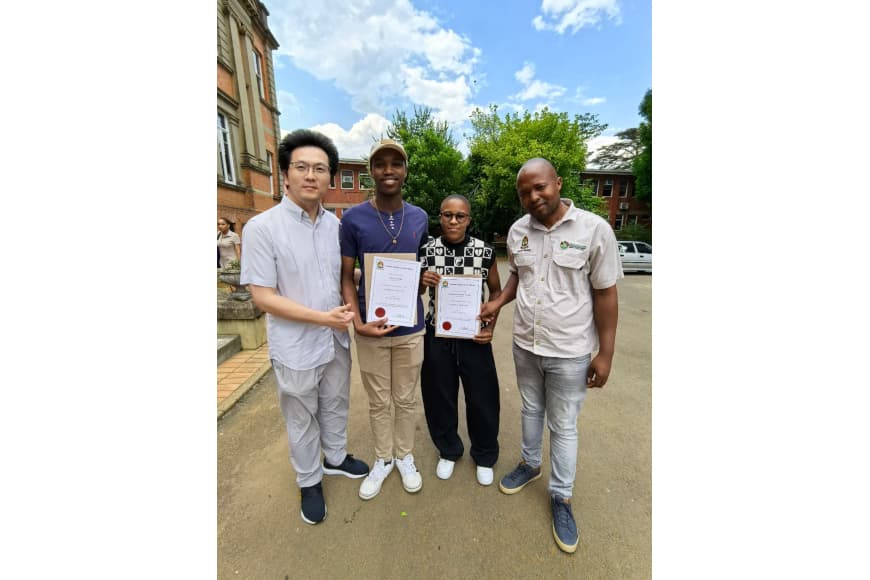
The Hidden Cost of China's Mushroom Diplomacy: Who Really Profits From African Agri-Tech Training?
Beneath the surface of mushroom training lies a geopolitical play. Unpacking the true winners and losers in this 'Juncao Technology' agricultural push.
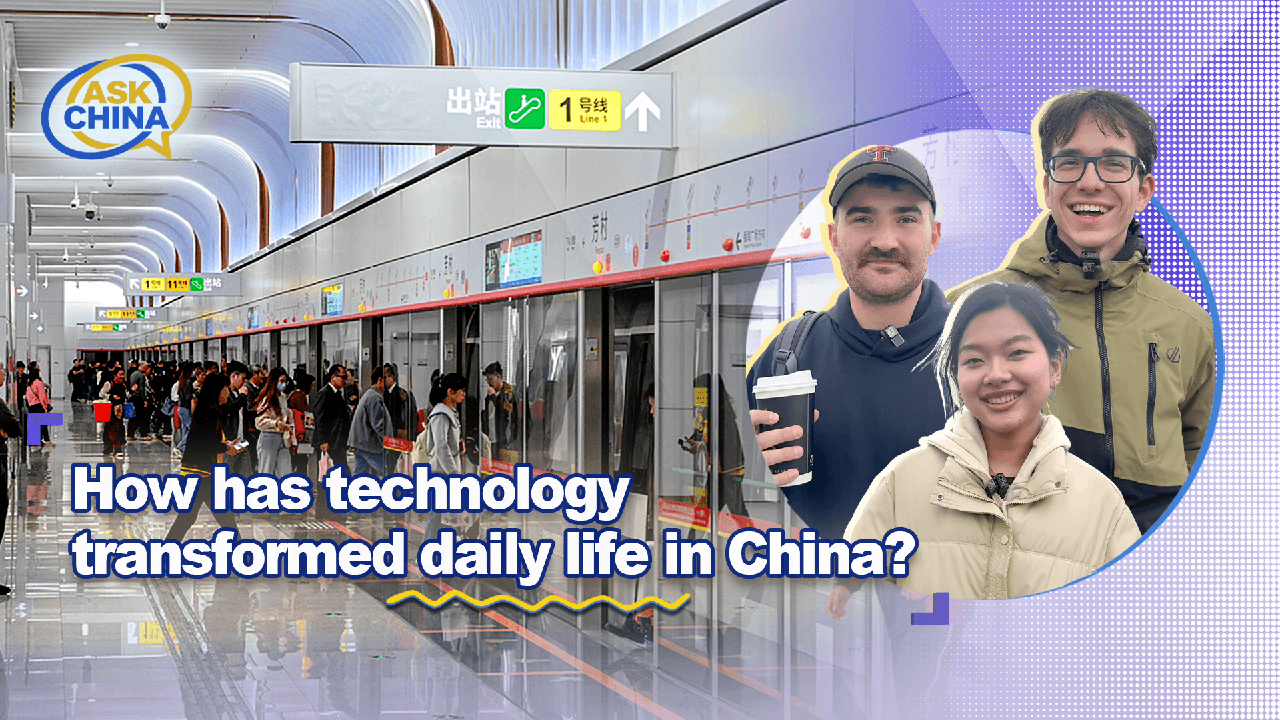
China's Digital Cage: The Hidden Cost of 'Convenience' in the World's Largest Tech Lab
Unpacking the true price of China's hyper-digitized daily life: convenience for the state, compliance for the citizen.
