China's Driverless Verdict: Why The Supreme Court Just Killed The Self-Driving Dream (For Now)
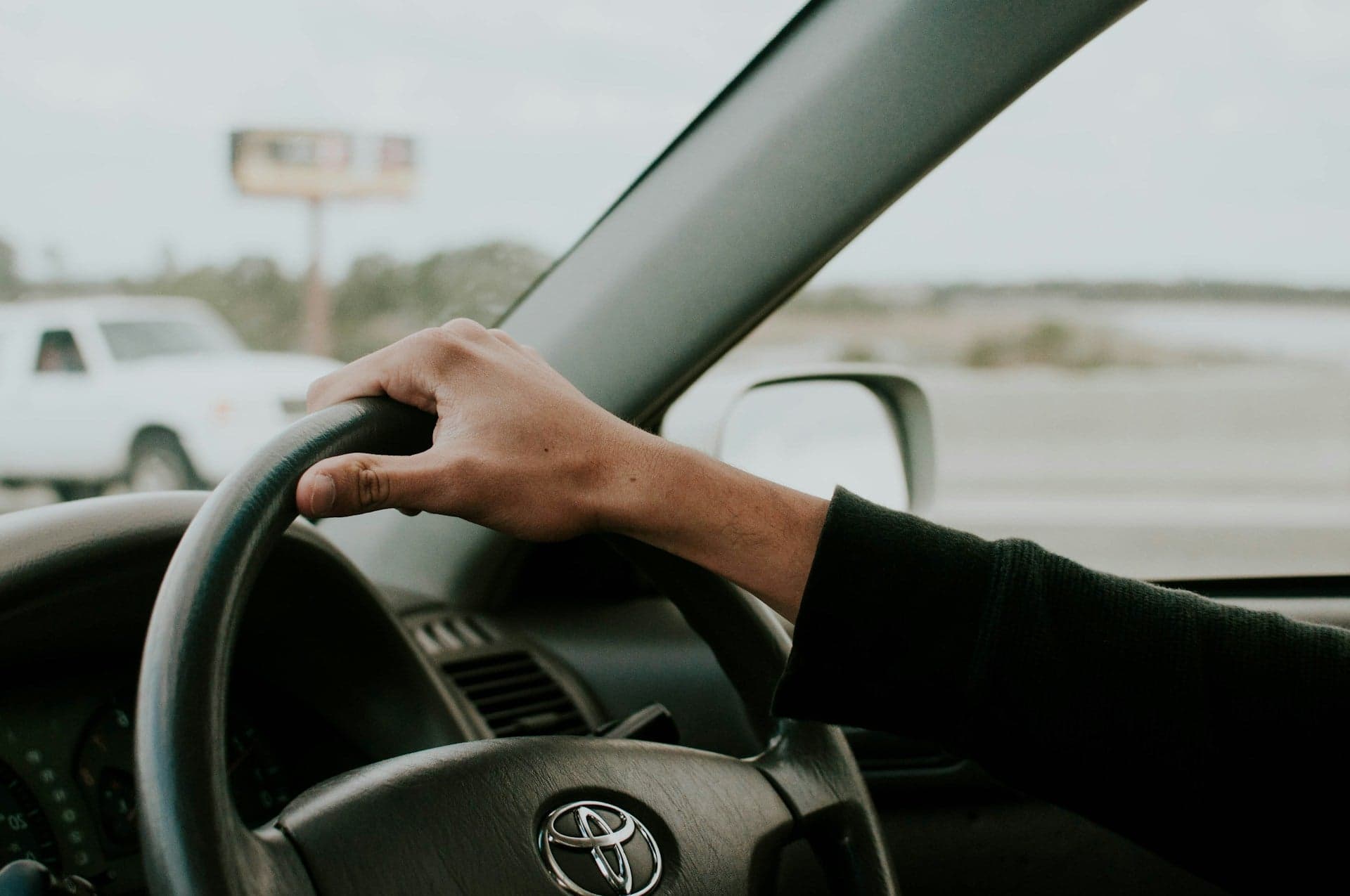
China's top court decision on autonomous vehicle liability is a massive blow to self-driving tech. Who really wins in this liability game?
Key Takeaways
- •China's top court ruled drivers remain legally responsible for accidents even when autonomous tech is active.
- •This decision severely dampens the immediate commercial viability of Level 3 and Level 4 autonomy deployment.
- •The ruling benefits established auto manufacturers by slowing down disruptive tech adoption.
- •Expect a global chilling effect on autonomous vehicle rollouts until liability frameworks mature.
The Hook: Accountability in the Age of Algorithms
The future was supposed to be one of effortless commutes, where the tedious task of driving vanished into the ether of artificial intelligence. That future just slammed into a legal brick wall in Beijing. China's Supreme People's Court has issued a ruling that explicitly places **driver responsibility** squarely on the human occupant, even when the autonomous technology is engaged. This isn't just a minor regulatory update; this is a seismic event for the entire global autonomous vehicle industry, particularly for companies pushing Level 3 and Level 4 autonomy.
The immediate takeaway is clear: if your Tesla, or any other automated car, causes an accident while in 'autopilot' mode, the initial legal burden—and the resulting headache—falls on you, the supposed passenger. This decision directly challenges the core value proposition of advanced driver-assistance systems (ADAS) and the broader pursuit of fully self-driving cars.
The 'Unspoken Truth': Who Really Wins and Loses?
The narrative being peddled is one of consumer protection. The court claims this ensures accountability. The unspoken truth? This ruling is a massive political and economic safeguard for domestic automakers and the state apparatus. By deferring ultimate liability, the government avoids the immediate, catastrophic financial and infrastructural upheaval that true Level 5 autonomy would necessitate.
**The Losers:** Tech giants betting billions on rapid deployment. Companies like Baidu's Apollo or Western firms trying to enter the massive Chinese market suddenly face an unsolvable liability puzzle. If the driver is always responsible, why pay a premium for technology that offers only partial relief? The incentive structure for adopting these systems collapses.
**The Winners:** Traditional auto manufacturers and regulatory bodies. They buy time. They kick the can down the road, forcing technology providers to prove absolute, undeniable safety—a standard that no software, let alone nascent AI, can currently guarantee. This decision effectively freezes the market in a state of perpetual Level 2/3 limbo, where the human must always supervise.
Deep Analysis: The Liability Chasm
This isn't about fault in a single accident; it's about the definition of 'operator.' For true autonomous vehicle deployment to succeed, the legal definition of 'operator' must shift entirely from human to machine. China’s court has punted on this crucial philosophical and legal hurdle. They are saying, 'The software isn't trustworthy enough yet, so the human remains the failsafe, legally speaking.' This forces a paradox: drivers are encouraged to use the tech, but penalized if the tech fails.
This directly impacts the speed of innovation. Why pour R&D dollars into achieving Level 4 when the legal framework punishes you for attempting it? This ruling favors slow, incremental development over disruptive leaps. For context on the evolving legal landscape globally, see reports from organizations like the National Highway Traffic Safety Administration (NHTSA) in the US.
What Happens Next? The Prediction
The immediate future will see a significant slowdown in public-facing autonomous testing in China, especially involving unproven L3 systems. Manufacturers will pivot hard toward optimizing L2 features (like advanced cruise control) where liability is unambiguous, rather than pushing towards true driverless capability. I predict that within 18 months, we will see a major global automaker publicly pause their L3 rollout plans, citing 'unfavorable regulatory environments,' directly influenced by this Chinese precedent.
The ultimate destination remains autonomy, but this verdict ensures the journey will be far longer, more conservative, and more expensive than Silicon Valley ever advertised. The era of legal ambiguity is over; the era of mandated, demonstrable perfection has begun.
Gallery

Frequently Asked Questions
What is the difference between Level 2 and Level 3 autonomous driving?
Level 2 systems (like advanced adaptive cruise control) require the human driver to constantly supervise and be ready to take over. Level 3 allows the driver to disengage attention under specific conditions, but the driver must be ready to intervene when prompted by the system.
Why is driver liability a major issue for self-driving cars?
If a self-driving car causes an accident, legal systems must determine if the fault lies with the human who wasn't driving, the software developer, the sensor manufacturer, or the vehicle owner. The lack of clarity stalls insurance and legal recourse.
Will this ruling affect self-driving cars in the US and Europe?
While China's ruling isn't binding elsewhere, it signals a global regulatory hesitancy. Other nations are likely to adopt similarly cautious stances, prioritizing human accountability until AI safety can be proven beyond any doubt.
Related News
The $10 Billion Lie: Why the Rocky Mountain IP Institute Hides the Real Tech War
The annual Rocky Mountain IP Institute convenes, but the real battle for **technology** dominance isn't in the lecture halls—it's in the shadows of **patent litigation**.

The Addiction Lie: Why YouTube's 'Viewer Value' Claim is Just Genius PR for Surveillance Capitalism
YouTube executives preach 'viewer value,' but the real goal of their massive platform is far darker than mere entertainment.
The $7.8 Billion Bet: Why Gilead's Arcellx Buyout Signals the Death of the Solo CAR-T Dream
Gilead's massive $7.8bn acquisition of Arcellx isn't just about pipeline depth; it’s a brutal market consolidation signal in the competitive **biotech M&A** landscape.
