China's Digital Cage: The Hidden Cost of 'Convenience' in the World's Largest Tech Lab
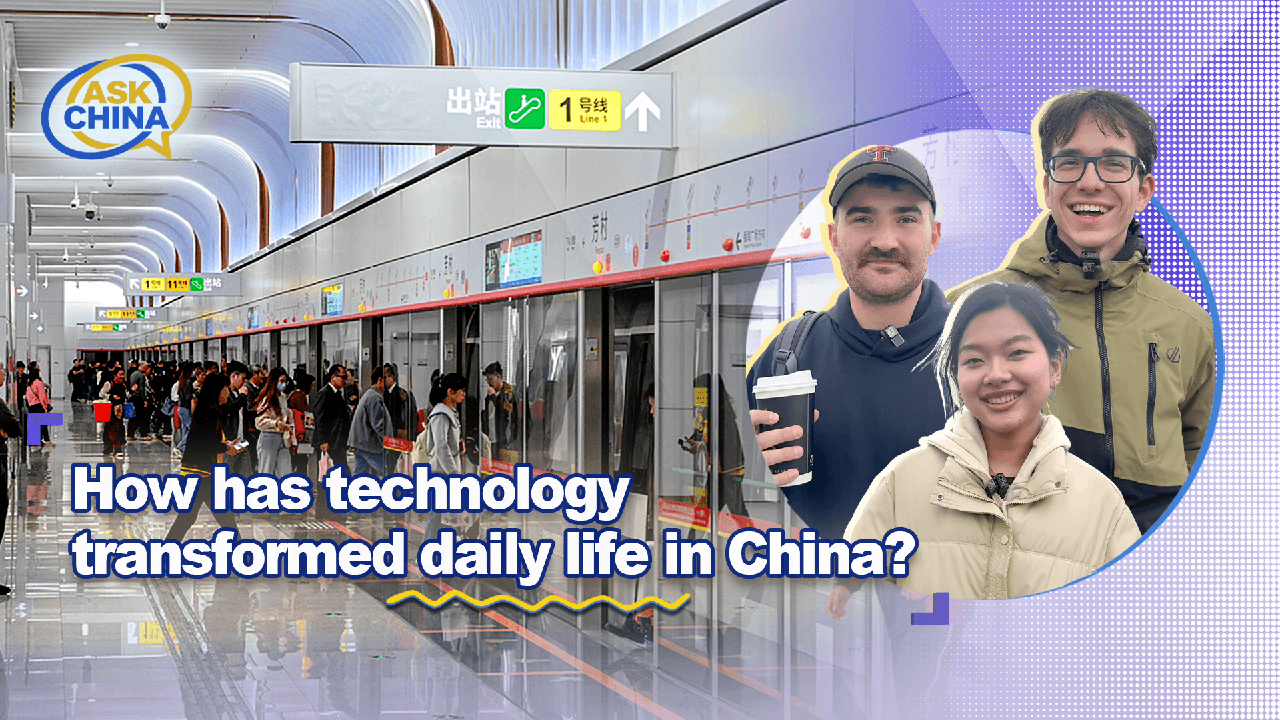
Unpacking the true price of China's hyper-digitized daily life: convenience for the state, compliance for the citizen.
Key Takeaways
- •The primary beneficiary of China's tech integration is the central state's capacity for monitoring.
- •Frictionless daily life correlates directly with absolute data visibility.
- •The Chinese model prioritizes systemic stability over individual privacy as a core design principle.
- •Future geopolitical conflict will manifest in the decoupling of global digital ecosystems.
The Hook: Convenience as Control
We are told that **China's technology transformation** has delivered unparalleled convenience. Mobile payments, instant logistics, ubiquitous connectivity—it reads like a utopian blueprint. But peel back the gloss of these seamless transactions, and what emerges is a more complex, perhaps chilling, reality. The real story behind China's digital revolution isn't just about ordering takeout faster; it's about the structural centralization of power, making this nation the world's most sophisticated, real-time behavioral laboratory. This isn't just innovation; it's **digital governance** perfected.
The Meat: Beyond the Alipay Hype
The narrative often focuses on the dazzling consumer tech: WeChat dominating social life, Didi mastering transport, and the near-death of physical cash. These are undeniable achievements in rapid deployment. However, the unspoken truth is that this infrastructure wasn't built primarily for user experience; it was built for data aggregation. Every tap, every purchase, every location ping feeds into a national data ecosystem that dwarfs Western surveillance capabilities. While the West debates privacy laws, China simply absorbed privacy as a necessary cost of entry into modernity. The result? A society where the frictionlessness of daily tasks is directly proportional to the visibility of the individual.
Consider the implications for **digital transformation** in other nations. They look to Shenzhen and Hangzhou as models of efficiency. They fail to see that the efficiency is predicated on a unique relationship between the citizen and the state, one that prioritizes social stability and technological conformity over individual autonomy. This massive data harvest allows for predictive policing and social monitoring that makes Western counterparts look like amateur attempts.
The Why It Matters: The Two Winners and the Ultimate Loser
Who truly wins in this hyper-connected environment? First, the State, which gains unprecedented insight into societal health and potential dissent. Second, the domestic tech giants (Tencent, Alibaba), who operate in a protected, high-growth environment, insulated from the global competition that shapes Silicon Valley. The ultimate loser, however, is the concept of the unobserved life. The ability to exist outside the system—to transact anonymously, to think without being cataloged—is rapidly becoming a historical artifact in China. This sets a dangerous global precedent: that efficiency demands total transparency, a trade-off many developing nations might eagerly accept.
The integration of technology into daily life means that the line between consumer behavior and civic compliance is intentionally blurred. Think about how these systems are now being tested for social credit mechanisms, a concept that leverages consumer data for behavioral nudges. This level of **global technology trends** adoption is unprecedented.
What Happens Next? The Great Decoupling
The next phase won't be about faster 5G or better AI chatbots. It will be about *data sovereignty* and *digital segmentation*. As geopolitical tensions rise, expect China to accelerate the creation of a fully internalized, self-sufficient digital sphere. This means decoupling further from Western standards and creating proprietary protocols where data flow is meticulously controlled internally. The world will witness a bifurcated internet—one for the globalized West, characterized by platform wars and antitrust battles, and one for the 'Digital Silk Road' nations, characterized by state-approved, highly monitored convenience. The frictionlessness we see today will eventually become the enforcement mechanism for tomorrow's ideological alignment.
Key Takeaways (TL;DR)
- China's digital success is built on unprecedented data aggregation, not just consumer demand.
- Convenience is directly traded for individual anonymity and systemic visibility.
- The model serves as a blueprint for centralized digital governance globally.
- Future development will focus on technological decoupling and internal digital sovereignty.
Gallery


Frequently Asked Questions
Is mobile payment usage truly universal in China?
Yes, mobile payment adoption through platforms like Alipay and WeChat Pay is nearly universal in urban and increasingly in rural areas, making physical cash usage an anomaly.
What is the main difference between China's tech ecosystem and the US's?
The key difference lies in regulatory environment: China's tech giants operate with tacit state approval and deep data integration, whereas US tech faces constant antitrust scrutiny and privacy-focused regulatory headwinds.
How does this technology impact social credit systems?
The vast network of transactional and behavioral data collected through daily tech use provides the foundational data streams necessary for the testing and expansion of social credit mechanisms.
What is 'digital sovereignty' in the Chinese context?
It refers to the state's ability to control the infrastructure, standards, and data flows within its digital borders, minimizing reliance on foreign technology or governance models.
Related News

The Hidden Cost of Kano's Tech Boom: Why 'Innovation' in Africa is Often Just Digital Colonialism
Forget the glossy press releases. The true impact of science and tech initiatives in Kano reveals a deeper geopolitical struggle over digital sovereignty.

The Hidden Cost of China's Mushroom Diplomacy: Who Really Profits From African Agri-Tech Training?
Beneath the surface of mushroom training lies a geopolitical play. Unpacking the true winners and losers in this 'Juncao Technology' agricultural push.

The Silent Tech War: Why Australian Skepticism of Chinese Innovation Is Really About Geopolitics, Not Gadgets
Forget the apps and the hardware. The real battle over Chinese technology in Australia is a proxy war for global influence and supply chain dominance.
